


In today’s digitally connected world, the performance of your network is paramount. Whether you’re streaming 4K video at home, running a data-intensive business, or setting up a reliable gaming rig, the physical cable connecting you to the internet plays a crucial role. A common question we hear at D-Lay Cable is: “Is a Cat6 cable really better than a Cat5e?”
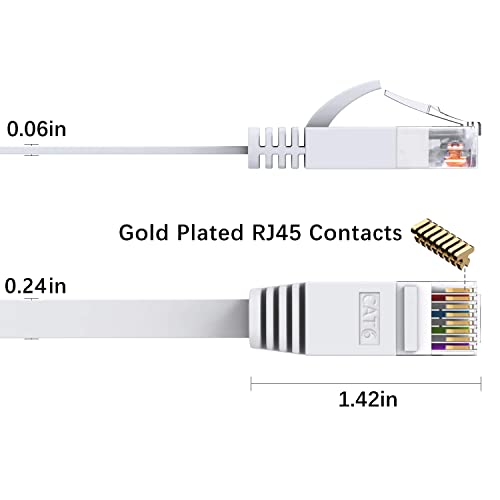
The short answer is yes, Cat6 offers superior performance and is a more future-proof investment. However, the best choice for you depends on your specific needs, budget, and network environment.
As a leading manufacturer with over 15 years of experience in crafting high-performance network cabling solutions, we believe in empowering our customers with knowledge. Let’s break down the differences to help you make an informed decision.
Article Contents
A Quick Note: Cat5 vs. Cat5e
First, it’s important to clarify a common point of confusion. The original Cat5 cable is now obsolete. It supported speeds up to 100 Mbps, which is insufficient for most modern applications. When people discuss “Cat5” today, they almost always mean Cat5e (Category 5 Enhanced). Cat5e was designed to support Gigabit speeds (1,000 Mbps) and reduce interference. For this article, we will be comparing Cat6 with Cat5e.
Key Technical Differences: Cat6 vs. Cat5e
While they may look similar, the internal construction of Cat6 and Cat5e cables is what sets them apart, leading to significant performance differences.
Speed and Bandwidth
This is the most significant advantage of Cat6. While Cat5e can handle Gigabit speeds (1 Gbps), Cat6 is designed for up to 10 Gigabit (10 Gbps) speeds over shorter distances (up to 55 meters or 180 feet). For standard distances up to 100 meters (328 feet), both will reliably deliver 1 Gbps. However, the higher potential of Cat6 makes it the clear winner for anyone looking to build a network that can handle future speed upgrades.
Frequency
Think of frequency (measured in Megahertz, MHz) as the width of the highway for your data. A wider highway can handle more traffic at once without congestion.
- Cat5e has a frequency of 100 MHz.
- Cat6 has a frequency of 250 MHz.
This 2.5x increase in bandwidth means Cat6 can process more data simultaneously, leading to a more stable and efficient connection, especially in environments with multiple devices streaming, downloading, or gaming.
Crosstalk Reduction
Crosstalk is the unwanted interference or “noise” that occurs between adjacent wires within a cable, which can lead to errors and slower speeds. This is where D-Lay Cable’s commitment to quality manufacturing shines.
Cat6 cables are built with stricter specifications to combat this. They feature:
- Tighter Wire Twists: The pairs of copper wires inside a Cat6 cable are twisted more tightly than in a Cat5e, which naturally cancels out interference.
- A Spline (Separator): Most Cat6 cables include a plastic separator that runs down the center, isolating each of the four wire pairs. This significantly reduces “crosstalk” between them.
The result is a cleaner, more reliable signal, which is critical for high-speed data transfer and in environments with high electromagnetic interference (EMI).
Cost and Value
Due to their more robust construction and higher performance capabilities, Cat6 cables are typically 10-20% more expensive than their Cat5e counterparts. However, when you consider the labor costs of installing cables within walls, the small price difference for the cable itself becomes a minor factor. Opting for Cat6 is a smart investment that provides immediate benefits and saves you from a costly re-installation in the future.
Comparison at a Glance: Cat6 vs. Cat5e
| Feature | Cat5e | Cat6 |
|---|---|---|
| Max Speed | 1 Gbps at 100 meters | 10 Gbps at up to 55 meters; 1 Gbps at 100 meters |
| Frequency (Bandwidth) | 100 MHz | 250 MHz |
| Crosstalk Reduction | Standard | Superior (Tighter Twists, Spline) |
| Best For | Basic home use, budget-conscious setups | Future-proofing, business networks, gaming, 4K streaming, high-interference areas |
| Future-Proofing | Adequate for now | Excellent |
When is Cat5e a Good Choice?
A high-quality, certified Cat5e cable from a trusted supplier like D-Lay Cable is still a viable option for certain scenarios:
- Home Networks with Sub-Gigabit Internet: If your internet plan is 1 Gbps or less and you primarily use it for browsing, HD streaming, and email, Cat5e is perfectly sufficient.
- Strict Budget Constraints: For large-scale projects where every cent counts and 1 Gbps performance is the only requirement, Cat5e can offer cost savings.
- Non-Critical Applications: For connecting peripherals like printers or phones that do not require high bandwidth.
Why You Should Upgrade to Cat6
For most new installations and anyone looking for optimal performance, Cat6 is the definitive choice. Here’s why:
- Future-Proofing Your Network: Internet speeds are constantly increasing. Installing Cat6 today ensures your network infrastructure won’t be a bottleneck when you upgrade to a multi-gig internet service.
- Superior Performance for Modern Demands: If you’re a gamer needing low latency, a professional transferring large files, or a family streaming multiple 4K videos, the higher bandwidth and lower crosstalk of Cat6 provide a noticeably smoother and more reliable experience.
- Increased Reliability for Businesses: In a commercial environment, network stability is non-negotiable. The robust design of Cat6 cables minimizes errors and downtime, making it the standard for modern offices, data centers, and PoE (Power over Ethernet) applications.
- Better ROI: The small additional cost of Cat6 cabling is a wise investment that protects your network’s performance and longevity, preventing the need for a premature and expensive upgrade.
The Final Verdict: Investing in Your Network’s Future
While Cat5e can get the job done for basic needs, Cat6 is unequivocally the better cable. It offers higher speeds, greater bandwidth, and superior protection against interference, making it the smart, forward-thinking choice for nearly any application.
At D-Lay Cable, we are committed to providing networking solutions that stand for quality and reliability. All our Ethernet cables, whether Cat5e or Cat6, are manufactured to the highest industry standards, rigorously Fluke tested, and backed by certifications like UL, CE, and RoHS. We ensure that when you choose D-Lay Cable, you’re not just buying a product—you’re investing in a foundation of flawless connectivity.
Ready to build a faster, more reliable network? Browse our extensive selection of high-performance Ethernet cables or contact our team of experts for a personalized consultation today.