


As a leading manufacturer of network cables for over 20 years, we at D-Lay Cable often hear this question from our clients. It’s a point of confusion for many, from home users setting up a router to IT professionals planning a large-scale installation. The short answer is: All Cat5 cables are Ethernet cables, but not all Ethernet cables are Cat5 cables.
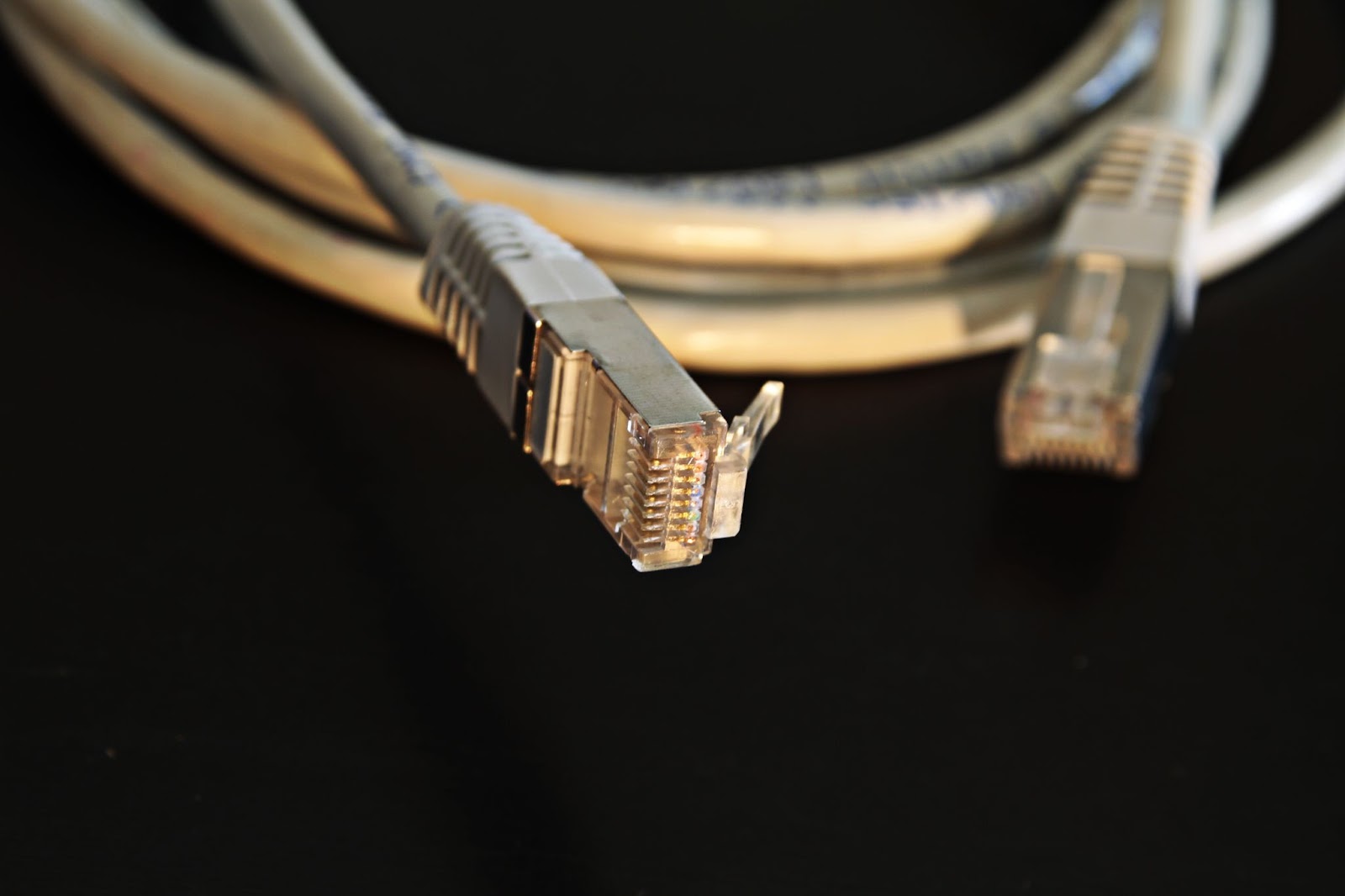
Think of it like this: “Car” is a general category, while “Sedan” is a specific type of car. Similarly, “Ethernet cable” is the general category, and “Cat5” (or Cat6, Cat7, etc.) is a specific type with its own set of performance standards.
Let’s break it down to clear up the confusion for good. In this guide, we’ll cover everything you need to know.
In This Article:
1. Understanding the Foundation: What Exactly is “Ethernet”?
First, it’s important to understand that Ethernet is not a cable itself; it’s a technology. Officially known as the IEEE 802.3 standard, Ethernet is a set of rules and protocols that governs how data is transmitted over a local area network (LAN). It’s the system that allows your computer, printer, router, and other connected devices to communicate with each other.
This “system” requires a physical medium to carry the data signals, and that’s where the cables come in.
2. The Physical Medium: What are “Category” (Cat) Cables?
The cables used to transmit Ethernet data are called “Category” cables, often shortened to “Cat.” These are twisted-pair copper cables that are manufactured to meet specific performance standards set by organizations like the Telecommunications Industry Association (TIA).
Each “Category” number (e.g., Cat5, Cat5e, Cat6) represents a different generation of standards. Each new generation is designed to support higher data transfer speeds and greater bandwidth, reducing issues like crosstalk and signal interference.
So, a Cat5 cable is simply one type of physical cable designed to carry Ethernet signals. It was a popular standard for many years, but has since been largely replaced by newer, more capable categories.
3. The Evolution of Performance: From Cat5 to Cat8
The key difference between the various “Cat” cables lies in their performance capabilities. As technology has advanced, so has the need for cables that can handle more data, faster. Here at D-Lay Cable, we manufacture a full range of these cables, from the modern standard Cat5e to the cutting-edge Cat8 for data centers.
Here’s a simple breakdown of the most common categories:
| Cable Category | Max Speed | Max Bandwidth | Common Use Case |
|---|---|---|---|
| Cat5 | 100 Mbps | 100 MHz | Obsolete. Previously used for older home and office networks. Not recommended for new installations. |
| Cat5e | 1 Gbps | 100 MHz | The current minimum standard for home networking, VoIP phones, and general office use. Excellent value. |
| Cat6 | 10 Gbps (up to 55m) | 250 MHz | Ideal for high-demand home networks, streaming 4K video, online gaming, and modern office buildings. |
| Cat6a | 10 Gbps (up to 100m) | 500 MHz | The “a” stands for “augmented.” Better for larger installations and professional environments requiring consistent 10 Gbps speeds. |
| Cat8 | 25 / 40 Gbps | 2000 MHz | Primarily designed for high-speed, short-distance connections within data centers and server rooms. |
As you can see, while a Cat5 cable will technically work for a basic internet connection, it’s an outdated technology. For any new setup, Cat5e is the absolute minimum you should consider, with Cat6 offering a significant performance boost for a small increase in cost.
4. How to Choose the Right Ethernet Cable for Your Needs
Choosing the right cable depends entirely on your application:
- For standard home use (browsing, email, HD streaming): A quality Cat5e patch cable is more than sufficient and provides the best value.
- For future-proofing, 4K streaming, and online gaming: We recommend Cat6. Its higher bandwidth ensures a more stable, faster connection for demanding tasks.
- For new office installations or professional environments: Cat6a is the preferred choice. It supports 10 Gbps speeds over the full 100-meter distance, ensuring your infrastructure is ready for future demands.
- For data centers and server-to-server links: Cat8 is the only choice for achieving 25G or 40G speeds over copper.
5. Why Cable Quality is Non-Negotiable: The D-Lay Cable Standard
Not all Ethernet cables are created equal, even within the same category. As a manufacturer with stringent quality control, we know that the materials and construction make a huge difference in performance and reliability.
When selecting a cable, look for these signs of quality:
- Pure Copper Conductors: Cheaper cables often use Copper Clad Aluminum (CCA), which has higher resistance, breaks easily, and can be a fire hazard. We use 100% pure bare copper in our cables for maximum performance and safety.
- Proper Shielding: In environments with high electromagnetic interference (EMI), a shielded cable (FTP or SFTP) is crucial to protect signal integrity. Unshielded cables (UTP) are fine for most homes.
- Certifications: Look for certifications like UL, ETL, and RoHS. These ensure the cable has been independently tested to meet safety and performance standards. All D-Lay Cable products are fully certified, giving you peace of mind.
The Final Word
So, is a Cat5 cable the same as an Ethernet cable? No. A Cat5 cable is an older, specific type of Ethernet cable. The world of networking now relies on more advanced categories like Cat5e, Cat6, and beyond to meet today’s speed and data demands.
Understanding this difference empowers you to build a faster, more reliable network. If you’re planning a project and need high-quality, certified bulk cable or custom patch cords, contact the experts at D-Lay Cable today. We provide the foundation for a world-class network.