


In the world of networking, the Ethernet cable is the unsung hero that ensures our digital lives run smoothly. A common question we hear from clients is about the capabilities of older cables, specifically: “How fast is a Cat5 Ethernet cable?” As experts in high-performance network infrastructure at D-Lay Cable, we believe in empowering our customers with clear, accurate information.
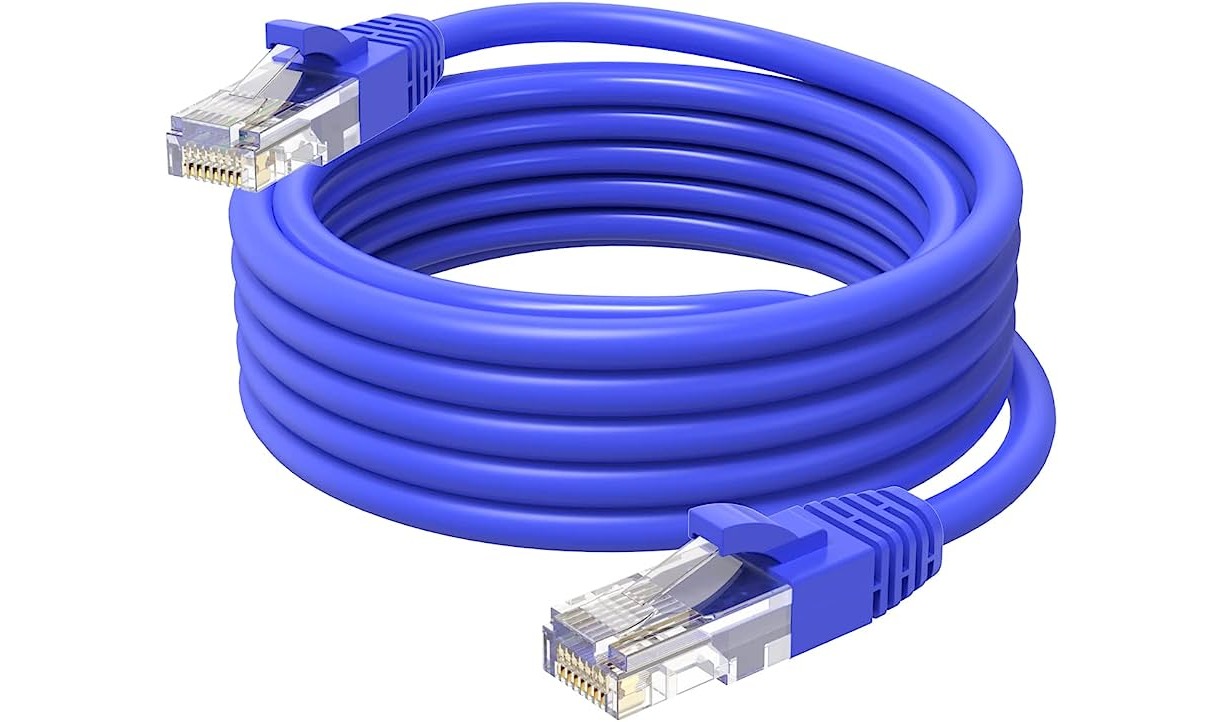
While Cat5 was a cornerstone of networking for years, technology has made significant leaps. dlaycable will give you the definitive answer on Cat5 speed and explain why upgrading is crucial for today’s high-demand environments.
The Straight Answer: Cat5 Cable Speed and Bandwidth
The original Category 5 (Cat5) Ethernet cable was designed for a networking standard called 100BASE-T, or “Fast Ethernet.” Here are its technical specifications:
- Maximum Speed: 100 Megabits per second (Mbps)
- Maximum Bandwidth: 100 Megahertz (MHz)
In its time, 100 Mbps was a revolutionary speed, perfectly capable of handling the internet and local network needs of the late 1990s and early 2000s. However, it’s important to note that the original Cat5 standard is now considered obsolete and is no longer certified by telecommunications standards bodies like the TIA/EIA.
The Real Question: Cat5 vs. Cat5e – What’s the Difference?
When most people talk about “Cat5” today, they are often unknowingly referring to its successor: Category 5e (Cat5e). The ‘e’ stands for ‘enhanced,’ and it brought a massive performance improvement that has made it the true baseline for modern networking.
The key difference lies in the ability to support “Gigabit Ethernet” speeds. Let’s break down the enhancement:
- Speed: Cat5e supports speeds up to 1000 Mbps or 1 Gigabit per second (Gbps). That’s a 10x increase over the original Cat5.
- Crosstalk Reduction: Cat5e cables are manufactured to stricter standards with a higher twist rate in the wire pairs. This significantly reduces crosstalk (interference between wires), which is essential for maintaining signal integrity at higher speeds over the full 100-meter (328-foot) distance.
The takeaway is simple: While Cat5 is limited to 100 Mbps, Cat5e is the cable that brought Gigabit speeds to homes and offices, and it remains a viable, budget-friendly option for many applications.
Ethernet Cable Speed Comparison: Cat5e vs. Cat6 and Beyond
To put things in perspective, it’s helpful to see how Cat5e stacks up against the more modern standards that we at D-Lay Cable recommend for new installations. More than just speed (Mbps), it’s crucial to consider bandwidth (MHz), which can be thought of as the number of “lanes” on the data highway. More lanes mean less congestion and more stable performance.
| Category | Maximum Speed | Maximum Bandwidth | Best For |
|---|---|---|---|
| Cat5e | 1 Gbps | 100 MHz | Basic home internet, office workstations, VoIP phones. |
| Cat6 | 1 Gbps (up to 10 Gbps at shorter distances) | 250 MHz | 4K streaming, online gaming, modern offices, future-proofing home networks. |
| Cat6a | 10 Gbps | 500 MHz | Data centers, servers, high-performance workstations, Power over Ethernet (PoE++). |
Is a 100 Mbps Cat5 Cable Still Usable Today?
Technically, yes, an old Cat5 cable can still transmit a signal. However, it will act as a significant bottleneck in almost any modern network. The average internet speed in many developed countries is now well over 100 Mbps. If you have a 500 Mbps internet plan but use a Cat5 cable to connect your router to your computer, you will only ever achieve a maximum speed of 100 Mbps.
Consider these common activities that would be severely limited by a Cat5 cable:
- Streaming: A single 4K video stream can use 25 Mbps or more. Multiple streams or other background tasks will quickly saturate a 100 Mbps connection.
- Online Gaming: While gaming itself doesn’t use massive bandwidth, large game downloads and updates (often 50GB+) would take hours instead of minutes.
- File Transfers: Transferring large files between devices on your local network would be frustratingly slow.
- Modern Smart Homes: A household with multiple computers, smart TVs, security cameras, and mobile devices will easily overwhelm a 100 Mbps backbone.
Beyond the Category: Why Cable Quality is Crucial for Performance
Choosing the right category is only half the battle. The actual performance of your network depends heavily on the quality of the cable’s construction. This is where a professional supplier like D-Lay Cable makes a difference. A “Cat6” cable from an unreliable source may not even meet Cat5e performance standards.
Look for these quality indicators:
- Conductor Material: Always choose cables with 100% pure bare copper conductors. Cheaper Copper Clad Aluminum (CCA) cables have higher signal loss, are more prone to breaking, and are not compliant with TIA/EIA safety and performance standards.
- Standards Compliance: Ensure your cables are certified to meet or exceed TIA/EIA-568 standards. This guarantees their performance for speed, bandwidth, and crosstalk.
- Proper Construction: The precision of the wire twists, the quality of the spline (in Cat6), and the integrity of the shielding (in STP cables) are all critical for fighting interference and ensuring a stable, high-speed connection.
Our Recommendation: Choosing the Right Cable for Your Needs
So, how fast is a Cat5 cable? The answer is 100 Mbps, a speed that is no longer adequate for the demands of 2024 and beyond.
For any network installation today, our expert recommendation is as follows:
- The Minimum Standard: Use Cat5e for basic connectivity where budget is the primary concern. It provides reliable Gigabit speed for general use.
- The Recommended Standard: Choose Cat6 for all new home and office installations. The cost increase is minimal, but the performance benefits from the 250 MHz bandwidth provide a much more stable experience and future-proof your network for years to come.
At D-Lay Cable, we specialize in high-performance, standards-compliant network cabling built for reliability and speed. From our robust pure copper Cat5e to our future-proof Cat6 and Cat6a solutions, we provide the infrastructure backbone that powers modern business and technology. Don’t let an outdated cable be the weak link in your network.
Explore our full range of certified network cables or contact our expert team for a personalized consultation on your project’s specific needs.