


In a world driven by fast, reliable internet, the cables connecting our devices are the unsung heroes. You’ve likely seen them plugged into your computer, router, or gaming console. Among the most common of these is the Cat5e Ethernet cable. But what exactly is it, and why is it still so prevalent today?
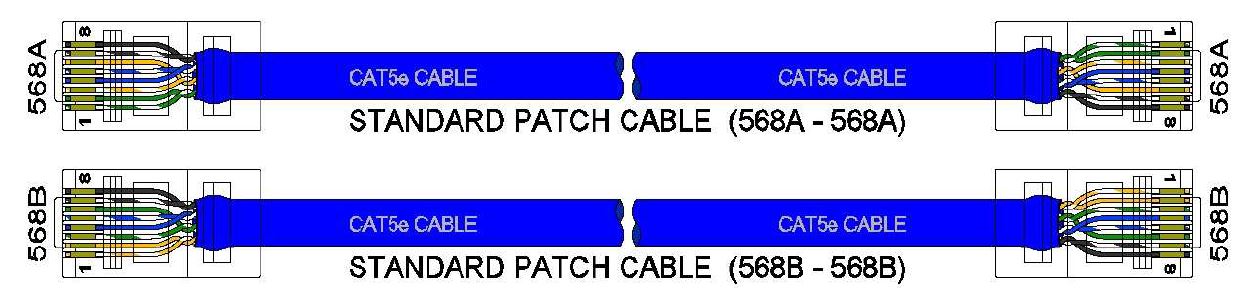
As a leading manufacturer of connectivity solutions, we at DlayCable believe in empowering our customers with knowledge. dlaycable will simply and clearly define what a Cat5e cable is, what it can do, and how to choose the right one for your needs.
The Simple Definition: What is Cat5e?
Cat5e stands for “Category 5 enhanced.” It is a standardized type of twisted-pair network cable used for carrying data signals in computer networks, such as an Ethernet network. Think of it as the dependable highway that allows information to travel between your devices and the internet.
The “enhanced” part is crucial. It’s an improvement upon the older Cat5 standard, designed with stricter specifications to reduce “crosstalk”—the unwanted interference between adjacent wires. This enhancement allows Cat5e to support faster speeds and more reliable connections than its predecessor.
Key Specifications of a Cat5e Cable
To understand any cable, you need to know its capabilities. Here are the core specifications for Cat5e:
- Speed: Up to 1 Gigabit per second (Gbps) or 1,000 Megabits per second (Mbps).
- Bandwidth: Up to 100 Megahertz (MHz). Bandwidth is like the number of lanes on the highway; a higher number means more data can be handled at once.
- Maximum Length: The maximum recommended length for a single Cat5e cable run is 100 meters (or 328 feet). Beyond this, signal strength can degrade, leading to a slower or lost connection.
Cat5e vs. Cat6 vs. Cat6a: A Quick Comparison
One of the most common questions is how Cat5e stacks up against newer standards like Cat6 and Cat6a. The best choice depends entirely on your specific needs and budget.
| Feature | Cat5e | Cat6 | Cat6a |
|---|---|---|---|
| Max Speed | 1 Gbps | 10 Gbps (up to 55m) | 10 Gbps (up to 100m) |
| Bandwidth | 100 MHz | 250 MHz | 500 MHz |
| Crosstalk | Good reduction | Better reduction (often has a spline) | Best reduction (thicker, more shielding) |
| Best For | Home networks, small offices, VoIP, 1Gbps connections | Data-intensive offices, home “power users”, future-proofing | Data centers, enterprise networks, 10Gbps infrastructure |
Common Applications: Where is Cat5e Used?
Despite newer options, Cat5e remains a cost-effective and highly capable solution for a huge range of applications. You’ll find it reliably performing in:
- Home Internet: Perfect for connecting routers, computers, smart TVs, and gaming consoles for most residential internet plans.
- Small to Medium-Sized Businesses (SMBs): Ideal for office workstations, printers, and connecting network switches.
- VoIP Phones: Voice over IP (VoIP) phone systems run perfectly on Cat5e infrastructure.
- Security Cameras: Many IP security cameras use Cat5e for both data transmission and Power over Ethernet (PoE).
Choosing the Right Build: Understanding Cat5e Cable Construction
Not all Cat5e cables are created equal. As manufacturers, we know that the internal construction dramatically affects performance and durability. Two key factors to consider are shielding and conductor type.
UTP vs. STP
- UTP (Unshielded Twisted Pair): This is the most common and affordable type. The pairs of wires are twisted to cancel out interference. It’s sufficient for most home and office environments with low electromagnetic interference (EMI).
- STP (Shielded Twisted Pair): This type includes a foil or braided shield around the wires to provide extra protection against EMI. It’s recommended for environments with a lot of electronic “noise,” like factories, hospitals, or near heavy power lines.
Solid vs. Stranded
- Solid Conductor: Each wire is a single, solid piece of copper. These cables are less flexible but offer superior electrical performance over long distances. They are ideal for permanent installations inside walls, ceilings, and infrastructure (bulk cable).
- Stranded Conductor: Each wire is made of multiple, smaller strands of copper twisted together. This makes the cable much more flexible and durable with repeated bending. It’s the standard for patch cords—the cables you use to connect a device to a wall outlet.
Is Cat5e Still Relevant Today?
Absolutely. For any network that runs at 1 Gbps or less, Cat5e is not just adequate—it’s the most practical and economical choice. Most home and small business internet plans do not exceed this speed, making Cat5e a perfect match.
However, if you are building a network from scratch and want to “future-proof” it for potential 10 Gbps speeds, or if you work in a data-heavy environment, investing in Cat6 or Cat6a is a wise decision. For everyone else, a high-quality Cat5e cable will serve you well for years to come.
Why Quality Matters: Your Network is Only as Strong as Your Cable
The performance promised by the Cat5e standard is only achievable with a well-made cable. A low-quality cable can lead to slow speeds, dropped connections, and frustrating troubleshooting. Here’s what to look for in a quality cable:
- Pure Copper Conductors: Avoid “Copper Clad Aluminum” (CCA) cables. 100% pure copper conductors, which we use in all DlayCable products, offer better conductivity and reliability.
- Proper Shielding (if needed): Ensure the shielding meets the needs of your environment to prevent signal degradation.
- Certifications: Look for certifications like UL, ETL, and RoHS. These verify that the cable has been tested for safety and performance standards.
At DlayCable, our manufacturing process is built on a foundation of quality. We produce Cat5e cables that not only meet but exceed industry standards, ensuring every connection is stable, fast, and secure.
Frequently Asked Questions (FAQ) about Cat5e
- What does the ‘e’ in Cat5e stand for?
- The ‘e’ stands for “enhanced.” It signifies that the cable has stricter specifications for performance and crosstalk compared to the older Cat5 standard.
- Can I use a Cat6 or Cat7 cable on a Cat5e network?
- Yes. Ethernet cable standards are backward compatible. You can plug a higher-category cable (like Cat6) into a device or network designed for Cat5e, but it will only perform at the speed of the weakest link in the chain—in this case, 1 Gbps.
- What is the real-world maximum speed of Cat5e?
- The official maximum speed is 1 Gbps over 100 meters. While some have achieved higher speeds over very short distances in ideal conditions (a technology called NBASE-T), 1 Gbps is the reliable, standardized maximum.
Ready to build a reliable network? Whether you need a standard patch cord for your home office or a custom-length, shielded cable for a complex industrial project, DlayCable has the solution. Explore our range of high-performance, certified Cat5e cables or contact our expert team today for your OEM/ODM needs.