


In today’s digitally-driven world, the performance of your network is the backbone of your productivity and entertainment. From business video calls to 4K movie streaming, the unsung hero is the Ethernet cable connecting you to the digital universe. But when it comes to choosing that cable, a common question arises: is the tried-and-true Cat5e sufficient, or is it worth investing in Cat6?
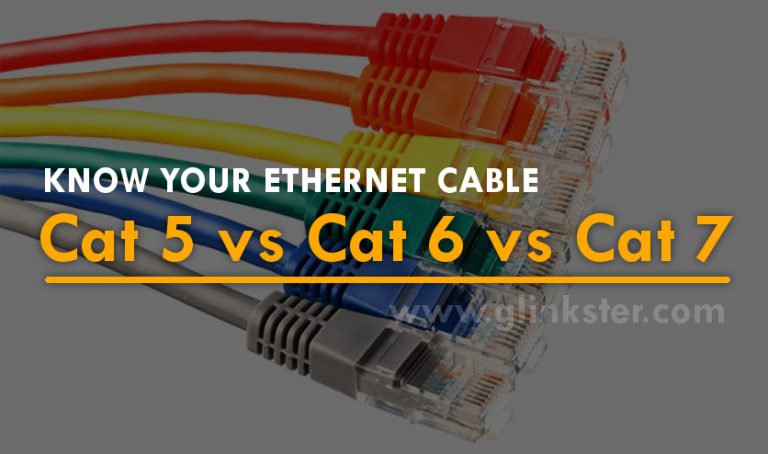
This isn’t just a technical question; it’s a value proposition. As a leading manufacturer of high-performance cabling, we at D-Lay Cable believe in empowering our customers to make informed decisions. dlaycable will break down the practical differences between Cat5e and Cat6 to help you choose the right cable for your needs and budget, ensuring you get the best return on your investment.
The Technical Showdown: Cat5e vs. Cat6 at a Glance
At first glance, Cat5e and Cat6 cables look similar, but their internal construction dictates their performance capabilities. Let’s compare them across the four most important metrics.
| Feature | Category 5e (Cat5e) | Category 6 (Cat6) |
|---|---|---|
| Speed (Data Rate) | Up to 1 Gigabit per second (Gbps) over 100 meters. | Up to 10 Gbps over shorter distances (up to 55 meters), and 1 Gbps up to 100 meters. |
| Bandwidth (Frequency) | 100 MHz | 250 MHz |
| Crosstalk & Interference | Meets baseline standards for reducing crosstalk (interference between wire pairs). | Features tighter wire twists and often a central spline (plastic separator) to significantly reduce crosstalk and system noise. |
| Cost | Lower initial purchase price. | Typically 20-30% higher initial purchase price. |
What does this mean in simple terms? Think of bandwidth (MHz) as the number of lanes on a highway and speed (Gbps) as the speed limit. Cat6 has more lanes and a higher potential speed limit, allowing more data to travel more reliably at the same time, especially in noisy environments.
Beyond the Specs: Making a Practical Decision
The right choice depends entirely on your application. Let’s analyze two common scenarios to see where each cable shines.
Scenario 1: The Budget-Conscious Home or Small Office
For many standard applications, Cat5e is a perfectly capable solution. If your primary uses include:
- Basic internet browsing and email.
- HD (1080p) video streaming.
- Connecting a few devices in a small space.
- Working with an internet plan of 1 Gbps or less.
In these cases, Cat5e provides the performance you need at the lowest possible cost. It’s the definition of “good enough” for today’s standard requirements.
Scenario 2: The Future-Focused Business, Gamer, or Smart Home
Cat6 is the definitive choice for new installations and anyone demanding higher performance and reliability. You should strongly consider Cat6 if you are:
- Installing cable in walls: The cost of labor to install cable far exceeds the cost of the cable itself. Using Cat6 is essential future-proofing.
- A Business or Power User: Transferring large files, running internal servers, or supporting a high-density office environment demands the reliability of Cat6.
- Using Power over Ethernet (PoE): Cat6’s thicker copper wires handle heat better, making it more efficient and reliable for powering security cameras, VoIP phones, and wireless access points.
- Building a Smart Home: With dozens of connected devices, from 4K TVs to security systems, the superior bandwidth of Cat6 ensures a smooth, interference-free experience.
The Hidden Cost: Why “Good Enough” Can Cost You More
The most important factor in this decision is often overlooked: Total Cost of Ownership. While Cat5e cable is cheaper to buy, the cost of professional installation can be hundreds or thousands of dollars.
Imagine installing Cat5e throughout your new office today. It works perfectly. But in three years, your business grows, you upgrade to a multi-gig internet service, and you deploy next-generation Wi-Fi access points. Your Cat5e cabling is now a bottleneck, forcing you to pay for a second, disruptive, and expensive installation.
By investing a little more in Cat6 upfront, you buy a decade or more of network peace of mind. The slightly higher material cost is an insurance policy against future labor costs and performance limitations.
The D-Lay Cable Difference: Quality is Non-Negotiable
Whether you choose Cat5e or Cat6, the quality of the cable itself is paramount. As a direct manufacturer, we see firsthand how cutting corners can cripple a network. Here’s what you should demand:
- 100% Pure Bare Copper Conductors: Cheaper cables often use Copper Clad Aluminum (CCA). CCA cables are brittle, have higher resistance, and fail to meet TIA performance standards. They are a fire hazard with PoE applications. At D-Lay Cable, we use only pure, solid copper for maximum conductivity and safety.
- Verified Performance: Look for cables that are individually tested and certified. Our cables undergo rigorous Fluke testing to guarantee they meet or exceed Cat5e and Cat6 standards for speed and bandwidth.
- Durable, Certified Jackets: A quality jacket (like CM, CMR, or CMP-rated) protects the wires and complies with fire safety codes. All our products are certified (UL, CE, RoHS) for safety and reliability.
Our Final Verdict
So, which cable should you choose? The answer is a strategic one.
Choose Cat5e if you are on a strict budget for an existing, less-demanding network and have no plans for major upgrades in the near future. It remains a viable standard for gigabit speeds.
Choose Cat6 for all new installations, business environments, smart homes, and any application where performance, reliability, and future-proofing are priorities. The minimal extra cost is a wise investment in the performance and longevity of your network.
At D-Lay Cable, we provide premium, factory-direct Cat5e and Cat6 solutions to ensure your network foundation is solid, secure, and ready for tomorrow.
Ready to build a network that lasts? Explore our range of Fluke-tested Cat6 bulk cables or contact our cabling experts for a custom quote on your next project.