


In today’s hyper-connected world, a fast and stable network is no longer a luxury—it’s the essential backbone of our homes and businesses. We demand seamless video streaming, lag-free online gaming, and instant file transfers. Yet, when performance falters, we often blame the router or internet provider, overlooking the silent workhorse of our network: the Ethernet cable. As experts in high-performance network infrastructure, we at D-Lay Cable know that the right cable is the foundation of a reliable digital experience.
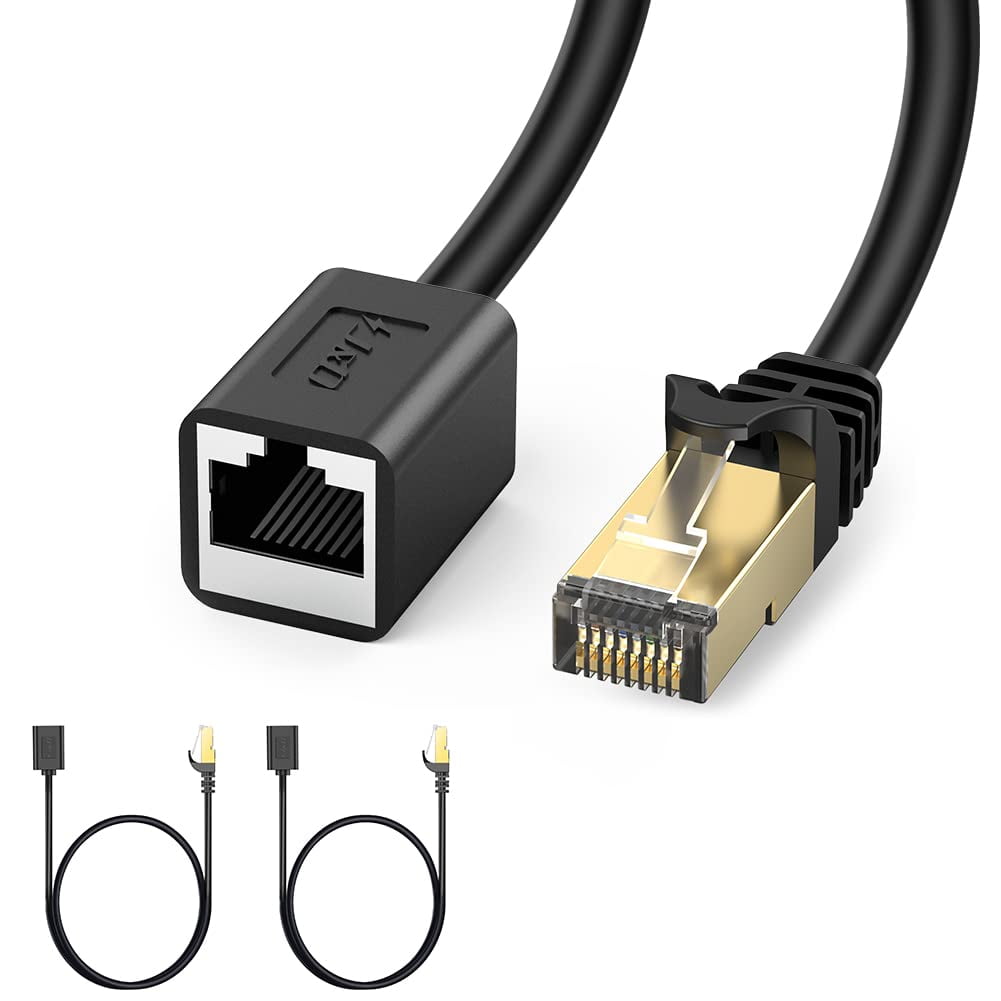
The world of Ethernet cables is filled with jargon like Cat5e, Cat6, and Cat6a. What do these “Categories” mean? And more importantly, which one is right for you? dlaycable will demystify the standards and show you why Cat6 is often the perfect sweet spot for modern networking needs.
1. What Are Ethernet Cable “Categories”?
The “Cat” in Cat6 is short for “Category.” These categories are a set of standards defined by organizations like the Telecommunications Industry Association (TIA) and Electronic Industries Alliance (EIA). Each category specifies a cable’s performance capabilities, primarily its maximum data transfer speed and bandwidth.
Think of it like different grades of fuel for a car. While any fuel might make the car run, the right grade ensures optimal performance, efficiency, and longevity. In simple terms:
- Higher Category Number = Higher Performance, Speed, and Bandwidth.
- Higher Performance = Better ability to handle more data and resist interference.
2. A Journey Through Ethernet Standards
To understand where Cat6 fits, it helps to see how the technology has evolved.
The Longtime Standard: Cat5e (Category 5 Enhanced)
For many years, Cat5e was the undisputed king. It supports speeds up to 1 Gigabit per second (Gbps) at a bandwidth of 100 MHz. For basic internet browsing, emailing, and standard HD streaming, Cat5e is still functional. However, as our data demands grow, its limitations are becoming more apparent. It’s the absolute minimum standard for any new network today.
The Modern Workhorse: Cat6 (Category 6)
This is where things get interesting. Cat6 represents a significant leap forward. While it also reliably supports 1 Gbps speeds up to 100 meters, it can handle 10 Gbps speeds over shorter distances (up to 55 meters). The real magic is in its bandwidth: 250 MHz, more than double that of Cat5e.
This increased bandwidth means Cat6 has more “room” for data to travel, resulting in:
- Reduced Crosstalk: Cat6 cables have stricter manufacturing tolerances, including tighter-twisted wire pairs and often a central spline (a plastic divider) that separates the pairs. This dramatically reduces interference between the wires, leading to a more stable and reliable signal.
- Better Headroom: Even on a 1 Gbps network, the higher bandwidth of Cat6 ensures a cleaner signal with fewer errors, which is crucial for demanding applications like 4K streaming, large file transfers, and Power over Ethernet (PoE) devices like security cameras and access points.
At D-Lay Cable, our Cat6 cables are engineered to exceed these standards, utilizing pure bare copper conductors and robust construction to guarantee maximum performance and signal integrity for your critical applications.
The Next Generation: Cat6a, Cat7, and Cat8
Beyond Cat6, we enter the realm of high-end, specialized cabling:
- Cat6a (Augmented): Delivers a full 10 Gbps over the entire 100-meter distance with a bandwidth of 500 MHz. It’s thicker, less flexible, and often shielded, making it ideal for data centers and future-proofing commercial installations.
- Cat7/Cat8: These are primarily designed for high-speed, short-distance connections within data centers, supporting speeds of 40 Gbps and beyond. They are heavily shielded and not practical or necessary for most office or home environments.
3. The Key Showdown: Cat6 vs. Cat5e
For anyone setting up a new network or upgrading an old one, this is the most common decision. Here’s a clear breakdown:
| Feature | Cat5e | Cat6 |
|---|---|---|
| Max Speed (at 100m) | 1 Gbps | 1 Gbps |
| Max Speed (at 55m) | 1 Gbps | 10 Gbps |
| Bandwidth | 100 MHz | 250 MHz |
| Crosstalk Resistance | Standard | Significantly Higher |
| Best For | Basic Home/Office Use | Modern Homes, Offices, PoE, Gaming, Streaming |
The Verdict: For any new installation, Cat6 is the clear winner. The cost difference is now minimal, but the performance benefits are substantial. Choosing Cat6 provides the reliability and headroom your network needs today and prepares it for the demands of tomorrow.
4. When Do You Really Need More Than Cat6?
While we champion Cat6 as the ideal choice for most, we believe in providing the right solution for every job. You should consider Cat6a or higher only in specific scenarios:
- You need to run a 10 Gbps connection over a distance greater than 55 meters (180 feet).
- Your network environment has extremely high levels of electromagnetic interference (EMI), such as in a factory or near heavy machinery, and you need the superior shielding of Cat6a.
- You are building a data center or a top-tier commercial network backbone and need to guarantee 10 Gbps+ performance for the next decade.
For everyone else—from the smart home enthusiast to the modern small business—Cat6 delivers robust, future-ready performance without the extra cost and installation difficulty of higher-category cables.
5. Beyond the Category: What Else Matters?
A cable’s category is vital, but true performance comes from quality construction. This is where D-Lay Cable sets itself apart. When choosing a cable, always consider:
Conductor Quality: Pure Copper vs. CCA
Many cheap cables use Copper Clad Aluminum (CCA) wires. CCA has higher resistance, breaks easily, and is not compliant with TIA/EIA standards. It can lead to signal loss, data errors, and even be a fire hazard with PoE applications. We exclusively use 100% pure bare copper conductors in our cables to ensure maximum conductivity, safety, and a lifetime of reliable performance.
Shielding: UTP vs. STP
Unshielded Twisted Pair (UTP) is standard for most environments. Shielded Twisted Pair (STP) includes a foil or braid shield for protection against EMI. Unless you are running cables near power lines or industrial equipment, a high-quality UTP Cat6 cable is sufficient.
Conductor Type: Solid vs. Stranded
Solid conductor cables are designed for permanent installations inside walls and ceilings (infrastructure wiring). Stranded conductor cables are more flexible and are used for patch cords—the cables that connect your computer to the wall outlet or your router to a switch.
6. Conclusion: Making the Right Choice with D-Lay Cable
Navigating Ethernet standards doesn’t have to be complicated. While Cat5e served us well, its time as the default choice is over. Cat6 has emerged as the undisputed sweet spot, offering the perfect blend of high performance, reliability, and value for the vast majority of modern networking applications. It provides a stable foundation for 1 Gbps networks with plenty of headroom and a clear path to 10 Gbps for future needs.
Your network is only as strong as its weakest link. Don’t let substandard cabling be yours. By choosing high-quality, certified Cat6 cables from a trusted partner like D-Lay Cable, you’re not just buying a product; you’re investing in a faster, more stable, and more reliable digital future.
Ready to build a network that just works? Explore our complete range of professional-grade Cat6 cabling solutions and let our expertise power your connection.