


In today’s hyper-connected world, the unsung hero of our digital lives is the humble Ethernet cable. It’s the physical backbone of our home offices, streaming services, gaming rigs, and corporate networks. But as data demands soar, it’s crucial to understand that not all cables are created equal. While many are familiar with the term, few grasp the true capabilities of a Category 6 (Cat6) cable. It’s more than just a wire; it’s an investment in speed, reliability, and future-readiness.
At Dlaycable, we don’t just manufacture cables; we engineer the arteries of digital communication. We believe an informed customer is our best partner. dlaycable will demystify Cat6, moving beyond simple specs to explain why choosing a high-quality Cat6 cable is one of the most impactful decisions you can make for your network’s performance.
What Truly Defines a Cat6 Cable?
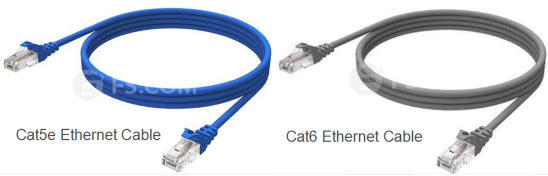
On the surface, a Cat6 cable might look similar to its predecessor, Cat5e. However, the true difference lies in its stringent performance standards and internal construction, designed to deliver superior performance and signal integrity.
- Bandwidth: Cat6 supports a bandwidth of 250 MHz, more than double the 100 MHz of Cat5e. Think of bandwidth as a highway. Cat6 offers a wider, multi-lane highway, allowing more data to travel simultaneously without causing traffic jams.
- Speed: It reliably supports data transfer speeds up to 10 Gigabits per second (Gbps) over shorter distances (up to 55 meters). For standard distances up to 100 meters, it is the gold standard for 1 Gbps networking, providing significant headroom and stability.
- Crosstalk Reduction: This is a key differentiator. “Crosstalk” is the unwanted signal interference between adjacent wire pairs. Cat6 cables are built to dramatically reduce this interference, leading to fewer data errors, less retransmission, and a more stable connection.
The Dlaycable Difference: Anatomy of a High-Performance Cat6
A cable is only as good as its weakest component. At Dlaycable, we obsess over every detail to ensure our Cat6 cables not only meet but exceed industry specifications. This commitment to quality is what separates a truly reliable network from a frustratingly intermittent one.
Key Construction Elements:
- Pure Bare Copper Conductors: We exclusively use 100% solid bare copper conductors. Unlike inferior Copper Clad Aluminum (CCA) cables, pure copper offers superior conductivity, dissipates heat more effectively (crucial for Power over Ethernet), and is far more durable, resisting breakage during installation.
- Tighter Twists: The pairs of wires inside our Cat6 cables are twisted more tightly than in older standards. This precise engineering is a primary defense against crosstalk and external electromagnetic interference (EMI).
- Spline (Separator): Most high-quality Cat6 cables, including those from Dlaycable, feature a plastic spline that runs down the center, physically separating the four twisted pairs. This further isolates the pairs, drastically reducing near-end crosstalk (NEXT) and ensuring a clean, stable signal.
- Durable Jacket: Our jackets are designed for durability and flexibility, clearly marked with the cable type and specifications for easy identification and compliance verification.
When you choose Dlaycable, you’re not just buying a spec; you’re investing in materials and manufacturing excellence that guarantee performance and longevity.
Cat6 vs. Cat5e: A Clear Performance Leap
For years, Cat5e was the workhorse of networking. However, for any new installation or upgrade today, Cat6 is the undisputed logical choice.
| Feature | Cat5e | Cat6 |
|---|---|---|
| Max Speed (at 100m) | 1 Gbps | 1 Gbps (with more stability) |
| Max Speed (at <55m) | 1 Gbps | 10 Gbps |
| Bandwidth | 100 MHz | 250 MHz |
| Crosstalk | Standard | Significantly Lower |
| Best For | Basic home internet, 10/100 Mbps networks | Modern homes, offices, gaming, 4K streaming, future-proofing |
The bottom line: While Cat5e can handle 1 Gigabit speeds, Cat6 does it with far more reliability and less potential for error, especially in environments with high electronic noise. The increased bandwidth makes it far better prepared for the growing demands of tomorrow.
Looking Ahead: Cat6 vs. Cat6a
Cat6a (Augmented Cat6) is the next step up, designed specifically to support 10 Gbps speeds over the full 100-meter distance. It features even higher bandwidth (500 MHz) and more robust shielding. So, when do you choose one over the other?
- Choose Cat6 if: You are wiring a home or small-to-medium office, need reliable Gigabit Ethernet, and want to support 10 Gbps for devices in the same room or on shorter runs. It is the perfect balance of performance and cost-effectiveness for the vast majority of applications.
- Choose Cat6a if: You are wiring a data center, a large enterprise network, or need to guarantee 10 Gbps performance over long distances between switches and servers. It is essential for high-density, mission-critical infrastructure.
When is Cat6 the Right Choice for Your Network?
Upgrading to or installing Cat6 is a strategic decision that pays dividends in performance across various applications:
- Modern Smart Homes: With 4K/8K streaming, multiple connected devices, security cameras, and smart home hubs, the data demand in a home network is immense. Cat6 provides the stable, high-bandwidth foundation needed to run everything smoothly and without buffering.
- Gaming & Streaming: For competitive online gaming and high-fidelity streaming, a low-latency, stable connection is non-negotiable. The reduced crosstalk and superior signal integrity of Cat6 mean lower ping times and a flawless stream.
- Business & Office Networks: In an office, network downtime is lost productivity. Cat6 easily handles the demands of VoIP phones, cloud-based applications, large file transfers, and video conferencing, ensuring your business operations run without a hitch.
- Power over Ethernet (PoE): Cat6 is ideal for PoE applications, such as powering IP cameras, wireless access points, and VoIP phones. The superior construction of a quality pure copper Cat6 cable from Dlaycable handles the electrical current safely and efficiently.
More Than Speed: The Hidden Benefits of a Quality Cat6 System
The performance of your network doesn’t stop at the cable. A true Cat6 system relies on all components being up to standard. This includes:
- Cat6 Keystone Jacks and Patch Panels: Using Cat6-rated terminations is essential. Mismatching components (e.g., using a Cat5e jack with a Cat6 cable) will bottleneck your entire system to the lower specification.
- Future-Proofing: Installing Cat6 today is an investment in the future. As internet speeds from providers increase and our internal data needs grow, a Cat6 infrastructure ensures you are ready for the next wave of technology without needing a costly re-wiring.
- Increased Reliability: The most significant, yet often overlooked, benefit is reliability. A well-built, properly installed Cat6 network simply works better. You’ll spend less time troubleshooting connection drops and more time enjoying a fast, stable network.
Choosing Your Cat6: A Final Word from Dlaycable
An Ethernet cable is no longer just a commodity; it’s a critical component of your network’s performance. Cat6 represents the sweet spot of high-speed capability, exceptional reliability, and smart financial investment for the vast majority of modern networking needs.
At Dlaycable, our reputation is built into every meter of cable we produce. By choosing our rigorously tested, pure copper Cat6 products, you are not just buying a cable—you are installing confidence and ensuring your network is ready for the demands of today and the innovations of tomorrow. Build your network on a foundation of quality. Build it with Dlaycable.