


As a leading manufacturer of high-performance network cabling solutions, we at D-Lay Cable frequently encounter questions about component compatibility. One of the most common is: “Can I just use my old Cat5 connectors on a new Cat6 cable?” It’s an understandable question—they look almost identical. However, the short answer is no, they are not functionally the same, and using the wrong one will compromise your network’s performance.
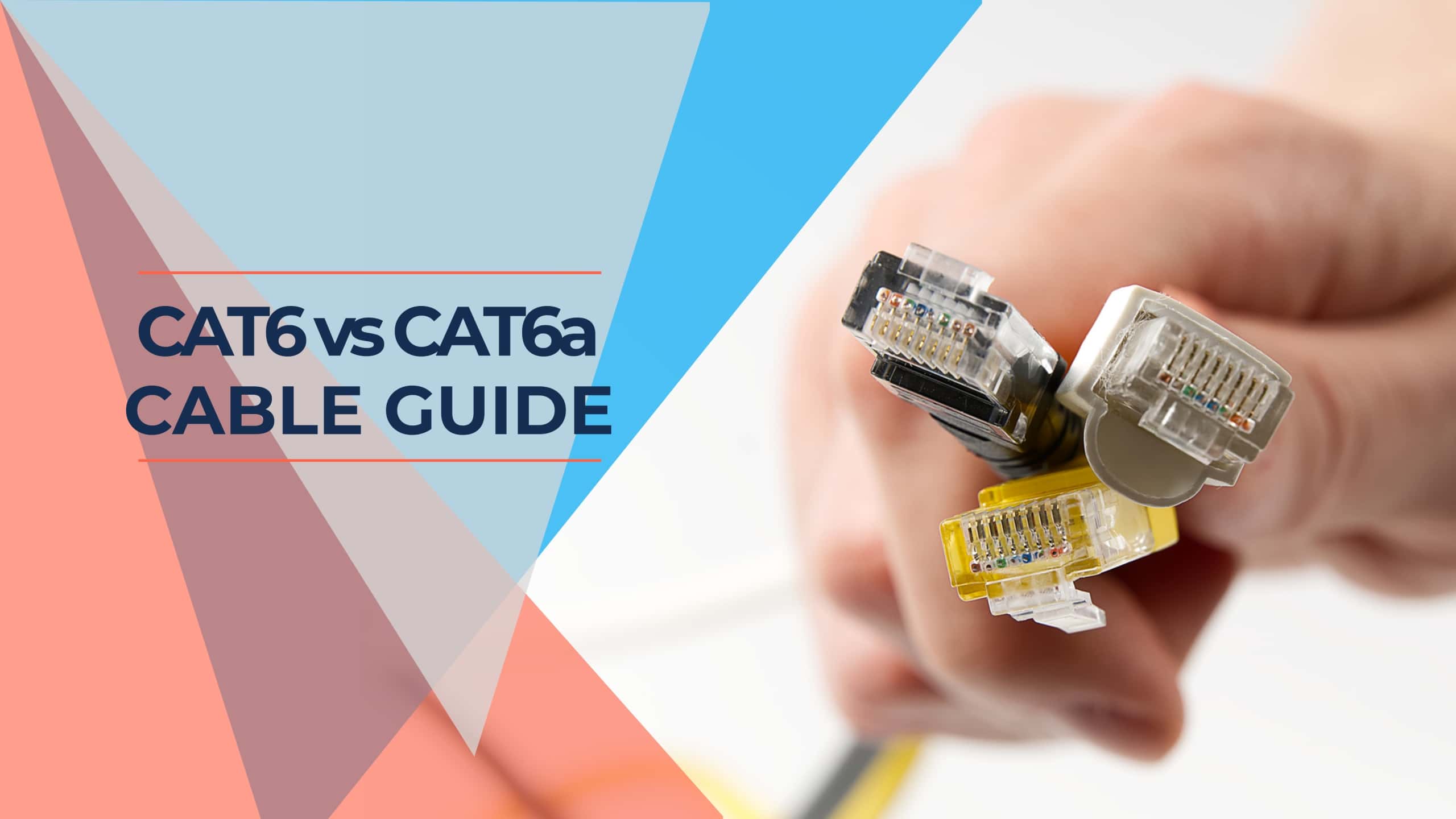
While they both fit into the same port, the science and engineering inside these small but critical components are worlds apart. dlaycable will demystify the differences, explain the performance implications, and help you ensure your network infrastructure operates at its full potential.
The RJ45 Deception: Similar Form, Different Function
The primary source of confusion is that both Cat5 (and its successor, Cat5e) and Cat6 cables use the same type of modular plug: the 8 Position, 8 Contact (8P8C) connector, commonly known as an RJ45 plug. This means a Cat5 connector will physically click into a Cat6-rated port, and vice-versa.
However, this physical compatibility is misleading. The internal construction of the connector is engineered to meet the specific performance standards of its category. Think of it like putting regular fuel in a high-performance racing engine—it might run, but it won’t perform as designed and could cause long-term issues.
Key Differences Demystified: Performance, Design, and Construction
The superiority of a Cat6 connector lies in its meticulous design, which is built to handle higher speeds and minimize signal interference. Here are the crucial differences.
1. Performance Standards & Bandwidth
The most significant difference is the performance they are rated for. Cat6 is designed for much higher data frequencies.
- Cat5/5e Connectors: Are rated for a bandwidth of up to 100 MHz. This is sufficient for speeds up to 1 Gigabit per second (Gbps) under ideal conditions, which is the standard for Cat5e.
- Cat6 Connectors: Are rated for a bandwidth of 250 MHz. This higher frequency allows them to reliably handle 1 Gbps traffic with far less signal loss and provides the foundation for 10 Gbps speeds over shorter distances.
2. Internal Design & Crosstalk Mitigation
To achieve that 250 MHz performance, Cat6 connectors are engineered differently inside to combat interference, particularly Near-End Crosstalk (NEXT).
- Conductor Arrangement: The most common visual difference is that Cat6 connectors often feature a staggered pin layout. The internal wires are guided into two rows, one slightly higher than the other. This small change significantly reduces the signal interference (crosstalk) that can occur between adjacent wire pairs. Cat5e connectors typically have a simple, single-file arrangement.
- Load Bars/Wire Guides: Many high-quality Cat6 connectors, like those manufactured by D-Lay Cable, include a component called a “load bar” or “wire guide.” This plastic piece helps to separate and guide the individual conductors, maintaining the critical pair twisting as close to the termination point as possible. This is vital for minimizing crosstalk and ensuring a reliable connection that passes certification tests.
3. Wire Gauge Compatibility
Cat6 cables often use thicker copper conductors than Cat5e cables to improve performance and reduce heat buildup in Power over Ethernet (PoE) applications.
- Cat6 Cable: Typically uses 23 American Wire Gauge (AWG) conductors.
- Cat5e Cable: Typically uses 24 AWG conductors (a slightly thinner wire).
A true Cat6 connector is designed with slightly larger channels to properly accommodate these thicker 23 AWG wires, ensuring a secure and solid electrical contact. Forcing a thicker Cat6 wire into a Cat5e connector can damage the conductor or result in a poor connection.
At-a-Glance: Cat6 vs. Cat5 Connector Comparison Chart
| Feature | Cat5 / Cat5e Connector | Cat6 Connector |
|---|---|---|
| Max Bandwidth | 100 MHz | 250 MHz |
| Typical Pin Layout | Single Row | Staggered Rows |
| Crosstalk Mitigation | Basic | Enhanced (staggered pins, load bar) |
| Supported Wire Gauge | Typically 24 AWG | Accommodates thicker 23 AWG |
| Performance Result | Sufficient for up to 1 Gbps | Optimized for 1 Gbps, supports 10 Gbps (short distance) |
The “Weakest Link” Problem: What Happens When You Mismatch?
Your network channel—from the patch panel, through the wall cable, to the patch cord, and into your device—is only as strong as its weakest component.
If you terminate a high-performance Cat6 cable with a lower-spec Cat5e connector, the entire channel will perform at the Cat5e standard.
You effectively lose all the benefits you paid for with the superior Cat6 cabling. Your investment in higher bandwidth, better crosstalk resistance, and future-proofing is nullified by a single, inexpensive component. You will likely experience slower data speeds, increased network errors, and failed certification tests.
Why Your Connector Choice is Critical for Modern Networks
Choosing the correct, high-quality connector is not just about meeting a standard; it’s about ensuring network reliability and capability. A properly terminated Cat6 channel provides:
- Consistent Gigabit Speeds: Eliminates bottlenecks that can slow down your entire network.
- Reliable PoE: Supports demanding Power over Ethernet devices like high-resolution security cameras, advanced access points, and VoIP phones without performance degradation.
- Future-Proofing: Builds an infrastructure that is ready for the next generation of network devices and higher bandwidth demands.
- Reduced Troubleshooting: A properly installed system with matched components is far less likely to suffer from intermittent connection drops and hard-to-diagnose packet loss issues.
D-Lay Cable’s Expert Recommendation: Choosing the Right Connector
At D-Lay Cable, our reputation is built on quality assurance and professional expertise. We advise all of our clients to follow these simple rules to guarantee network integrity:
- Always Match Components: Use Cat6-rated connectors with Cat6 cable. Use Cat5e-rated connectors with Cat5e cable. Never mix and match.
- Verify the Specifications: Ensure the connector is designed for the specific wire gauge (e.g., 23 AWG) and conductor type (solid or stranded) of your cable.
- Invest in Quality: Not all connectors are created equal. High-quality connectors from a reputable manufacturer like D-Lay Cable use better materials, gold-plated contacts, and superior engineering (like effective load bars) to ensure a flawless connection that will last.
- Consider the Entire Channel: Remember that your connector is part of a system. For true Cat6 performance, your cable, patch panels, and keystone jacks must all be Cat6-rated.
By adhering to these principles, you ensure that every part of your structured cabling system works in harmony to deliver the speed and reliability you expect.
Frequently Asked Questions (FAQ)
Q: My main concern is Cat5e vs Cat6 connectors. Are they different too?
A: Yes. While Cat5e was an improvement on Cat5, Cat6 connectors are still a significant step up in engineering. Cat5e connectors are only rated for 100 MHz and typically lack the advanced crosstalk-mitigation features (like staggered pins) of a true Cat6 connector. To get Cat6 performance, you need a Cat6 connector.
Q: Can I use a Cat6 connector on a Cat5e cable?
A: Yes, you can. This is generally acceptable and will not harm performance. The higher-rated Cat6 connector will easily handle the performance requirements of the Cat5e cable. However, it can be more expensive and sometimes more difficult to terminate due to being designed for the thicker wires of Cat6 cable.
Q: How can I visually tell the difference between a Cat5e and a Cat6 connector?
A: While not always guaranteed, the most reliable visual cue is the staggered pin layout inside the connector. Look closely at where the wires enter the front of the plug. If they are in a flat, single row, it’s likely a Cat5e connector. If they are arranged in a slightly offset, up-and-down pattern, it’s likely a Cat6 connector designed to reduce crosstalk.