


The full form of OEM cable is Original Equipment Manufacturer cable. These are cables and wire harnesses designed and manufactured by a company, like D-Lay Cable, specifically for another company’s end product, according to their exact specifications. Unlike generic, off-the-shelf cables, OEM cables are an integral component built to ensure the original product’s performance, quality, and reliability, essentially becoming part of the “original equipment.” dlaycable will delve deep into the world of OEM cables, exploring their distinct advantages, how they compare to alternatives, and what to look for in a manufacturing partner.
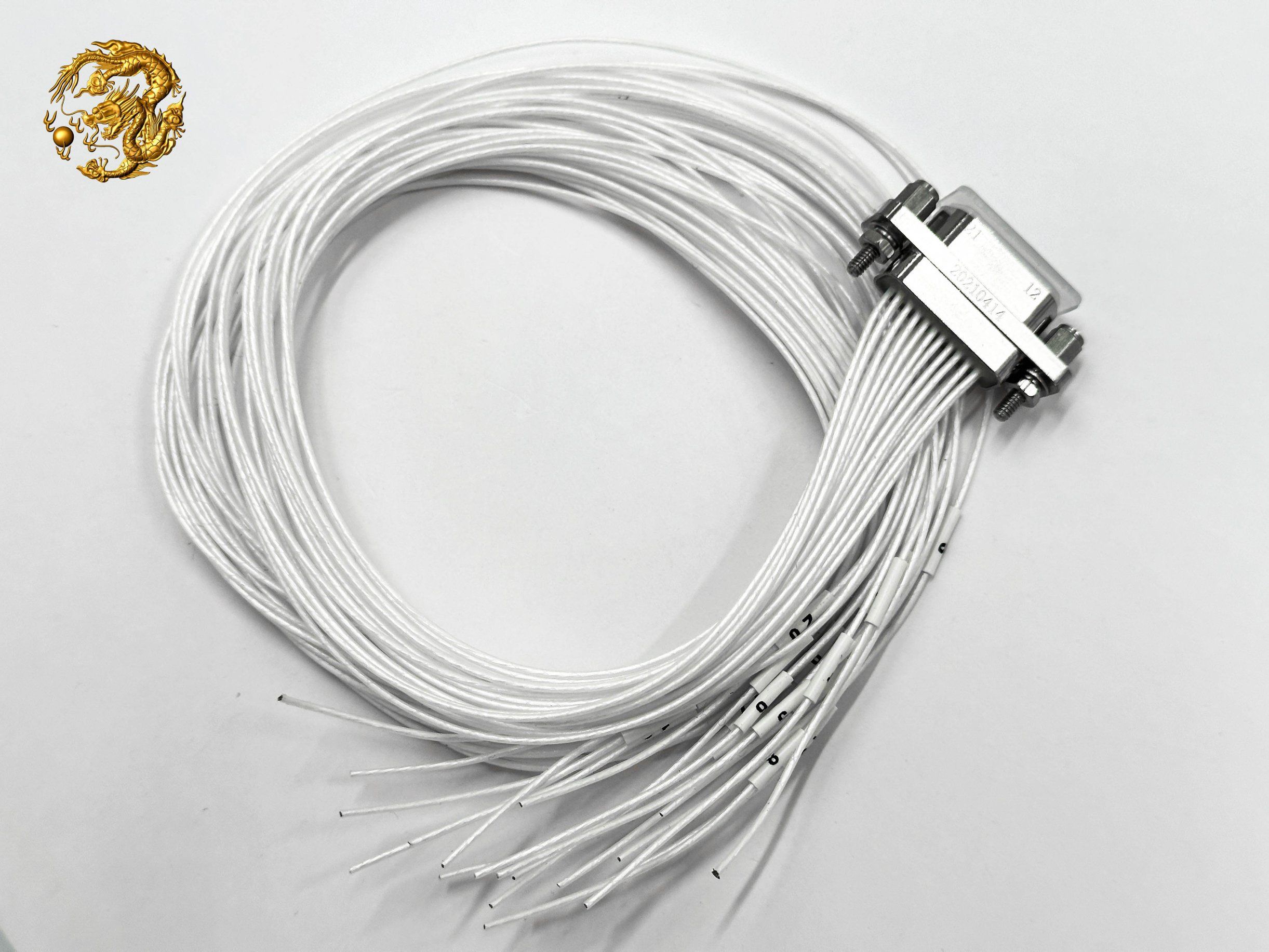
Table of Contents
- Decoding “OEM”: More Than Just a Name
- OEM vs. Aftermarket vs. ODM Cables: What’s the Real Difference?
- The Core Advantages of Choosing OEM Cables for Your Project
- Key Considerations When Sourcing OEM Cables
- How to Choose the Right OEM Cable Manufacturer (Hint: It’s a Partnership)
- Industries Powered by Custom OEM Cable Assemblies
- Partner with D-Lay Cable for Your Expert OEM Solutions
Decoding “OEM”: More Than Just a Name
While “Original Equipment Manufacturer” is the literal full form, the term represents a crucial business model in the manufacturing world. In this relationship, the OEM (like D-Lay Cable) produces a component that is a key part of another company’s finished product. For instance, a medical device company might design a sophisticated diagnostic machine but will partner with a specialized OEM to manufacture the intricate internal custom cable assemblies that power it. The final machine is sold under the medical company’s brand, but the cable inside is an OEM component built to their precise, proprietary design. This ensures that every component, right down to the wiring, meets the high standards required for the product to function flawlessly.
The core of the OEM concept is specificity and specialization. The original product company focuses on its core competency—designing and marketing the overall product—while entrusting the manufacturing of critical sub-components to an expert partner. This partnership is built on trust, detailed technical specifications, and a shared commitment to the quality of the end product. An OEM cable isn’t just a wire; it’s a custom-engineered solution that is critical to the product’s performance, safety, and longevity.
OEM vs. Aftermarket vs. ODM Cables: What’s the Real Difference?
Understanding the distinctions between OEM, Aftermarket, and ODM is vital for any engineer, product manager, or purchasing agent. The choice directly impacts product quality, cost, and performance. Each type serves a different purpose and originates from a different manufacturing philosophy.
OEM (Original Equipment Manufacturer) Cables: The Perfect Fit
As we’ve established, an OEM cable is manufactured to the exact specifications provided by the company that designed the end product. It uses the specified materials, dimensions, and connectors.
- Design Origin: The design is owned and provided by the client company.
- Purpose: Built for one specific product model.
- Key Trait: Customization and guaranteed compatibility. It’s the “genuine” part, ensuring the equipment operates exactly as its designers intended.
Aftermarket Cables: The General-Purpose Alternative
Aftermarket cables are produced by third-party companies and are designed to be compatible with a wide range of products, often from multiple brands. Think of a generic charging cable that can be used for various devices. While they can be a cost-effective solution for replacements or less critical applications, they are not tailored to any single product.
- Design Origin: The design is created by the third-party manufacturer, often by reverse-engineering an OEM part.
- Purpose: To serve as a functional, often cheaper, replacement for an OEM cable.
- Key Trait: Generality and cost-effectiveness. Quality and performance can vary significantly, and they may not offer the same perfect fit or long-term reliability.
ODM (Original Design Manufacturer) Cables: A Collaborative Approach
ODM is a slightly different model. In an ODM relationship, a company may have an idea for a product but relies on the manufacturer (the ODM) to handle most or all of the design, engineering, and production. The final product is then branded and sold by the first company. The cable manufacturer designs the cable based on a set of functional requirements provided by the client.
- Design Origin: The design is primarily developed by the manufacturer (the ODM) based on client requirements.
- Purpose: To create a new product solution with the manufacturer’s existing design expertise.
- Key Trait: Partnership in design. It is a faster way to bring a product to market by leveraging the manufacturer’s R&D.
| Attribute | OEM Cable | Aftermarket Cable | ODM Cable |
|---|---|---|---|
| Design Ownership | Client Company | Third-Party Manufacturer | Manufacturing Partner (ODM) |
| Specificity | Built for a single, specific product | Designed for broad compatibility | Designed for a specific project, but using manufacturer’s IP |
| Quality Control | Meets client’s strict quality standards | Varies by manufacturer; often lower cost is prioritized | Meets mutually agreed-upon quality standards |
| Best For | Critical applications requiring high reliability and a perfect fit | General repairs and cost-sensitive replacements | Rapid product development and leveraging manufacturing expertise |
The Core Advantages of Choosing OEM Cables for Your Project
Opting for OEM cable assemblies offers significant, tangible benefits that directly contribute to your product’s success and your brand’s reputation. These advantages go far beyond simply having a cable that fits.
Unmatched Quality and Reliability
This is the paramount benefit of OEM. Because OEM cables are built to your precise specifications using designated materials, they undergo rigorous quality control. Reputable manufacturers like D-Lay Cable are often ISO 9001 and UL certified, ensuring every wire harness and cable assembly is produced under strict process controls. This translates to lower failure rates, enhanced product longevity, and superior performance. For mission-critical industries like medical, automotive, or industrial automation, where failure is not an option, the reliability of an OEM cable is indispensable.
Perfect Fit and Seamless Integration
An OEM cable is not just a component; it’s an integrated part of your product’s design. It is manufactured to the exact length, with the correct connectors, overmolding, and strain relief required for your specific enclosure and application. This perfect fit eliminates issues like signal interference, physical strain on connection points, or difficulties during assembly. This seamless integration speeds up your production line, reduces labor costs, and ensures the final product is robust and professionally constructed.
Access to Warranty and Dedicated Support
When you partner with an OEM cable manufacturer, you are not just buying a product; you are entering a B2B relationship. This typically includes a warranty on the manufactured parts and access to dedicated technical support. If an issue arises, you have a direct line to the engineers who built the component. This accountability and support network is virtually nonexistent with generic aftermarket parts, where you are often left on your own if a component fails or is incompatible.
Simplified Supply Chain and Sourcing
Managing a complex bill of materials (BOM) with numerous individual wires, connectors, and terminals can be a logistical nightmare. Partnering with an OEM for a complete, pre-tested cable assembly or wire harness consolidates dozens of part numbers into one. This drastically simplifies your purchasing, inventory management, and supply chain logistics. You receive a plug-and-play solution ready for final assembly, saving time and reducing the risk of sourcing errors or delays.
Key Considerations When Sourcing OEM Cables
While the benefits are clear, it’s important to approach an OEM partnership with a full understanding of the process. Two primary factors to consider are initial costs and production timelines.
Initial Cost and Tooling
Developing a custom OEM cable assembly often involves non-recurring engineering (NRE) costs. This can include expenses for creating custom molds for overmolding, dies for specific terminals, or fixtures for assembly and testing. While this means the initial investment can be higher than buying an off-the-shelf product, this cost is amortized over the production run. The long-term value derived from superior quality, reduced assembly time, and lower failure rates almost always results in a lower total cost of ownership.
Lead Times and Production Schedules
Custom manufacturing takes time. The process involves design finalization, material sourcing, tooling creation, first article inspection, and finally, full-scale production. Unlike grabbing an aftermarket cable off a shelf, OEM production requires careful planning and coordination. It is crucial to work with a manufacturer who is transparent about their lead times and has a proven track record of meeting production deadlines. Clear communication and collaborative planning are essential to ensure your components are ready when you need them.
How to Choose the Right OEM Cable Manufacturer (Hint: It’s a Partnership)
Selecting the right OEM partner is one of the most critical decisions you will make for your product. Your manufacturer is an extension of your team. Look beyond the price per unit and evaluate their capabilities holistically.
- Certifications and Quality Standards: Ensure the manufacturer holds key certifications like ISO 9001:2015 for quality management and is a UL Certified Wire Harness Manufacturer. This is non-negotiable proof of their commitment to quality.
- Engineering and Design Support: A great partner does more than just follow instructions. They offer design for manufacturability (DFM) feedback, suggesting improvements to enhance reliability or reduce cost without sacrificing performance.
- Industry Experience: Does the manufacturer have experience in your specific industry? A partner with experience in medical devices, for example, will already understand the stringent requirements for biocompatibility and sterilization, whereas a specialist in automotive will be an expert in durability and resistance to harsh environments.
- Communication and Transparency: Look for a partner who communicates clearly and proactively. They should provide detailed quotes, realistic timelines, and be responsive to your inquiries. A strong partnership is built on trust and open dialogue.
Industries Powered by Custom OEM Cable Assemblies
OEM cables are the unsung heroes in countless products we rely on daily. Their precision and reliability are essential across a wide spectrum of industries. At D-Lay Cable, we have first-hand experience providing mission-critical solutions for:
- Medical Devices: Powering everything from patient monitoring systems and surgical tools to diagnostic imaging equipment where signal integrity and reliability are a matter of life and death.
- Industrial Automation & Robotics: Enduring constant motion, high temperatures, and exposure to chemicals on factory floors to keep automated systems running 24/7.
- Automotive & Transportation: From complex wire harnesses within an engine bay to sensor connections in modern vehicles, these cables must withstand extreme vibration and temperature fluctuations.
- Consumer Electronics: Providing a precise fit and reliable connections within compact devices like home appliances, audio equipment, and smart home technology.
- Aerospace & Defense: Meeting the absolute highest standards for performance and durability in applications where there is zero margin for error.
Partner with D-Lay Cable for Your Expert OEM Solutions
Understanding the full form and function of an OEM cable is the first step. The next is finding a manufacturing partner who can deliver on the promise of quality, reliability, and precision. D-Lay Cable is more than a supplier; we are your dedicated partner in manufacturing excellence.
With our ISO 9001 and UL certifications, extensive industry experience, and unwavering commitment to engineering support, we are equipped to handle your most demanding custom cable assembly and wire harness needs. We work closely with your team to turn your designs into high-quality, fully-tested components that integrate perfectly into your final product. Don’t compromise on the critical connections that power your innovation.
Ready to discuss your project? Contact our engineering team today for a consultation and see how a true OEM partnership can elevate your product.