


Pure copper cables use 100% solid copper conductors for superior performance, safety, and reliability, making them essential for high-speed networks.
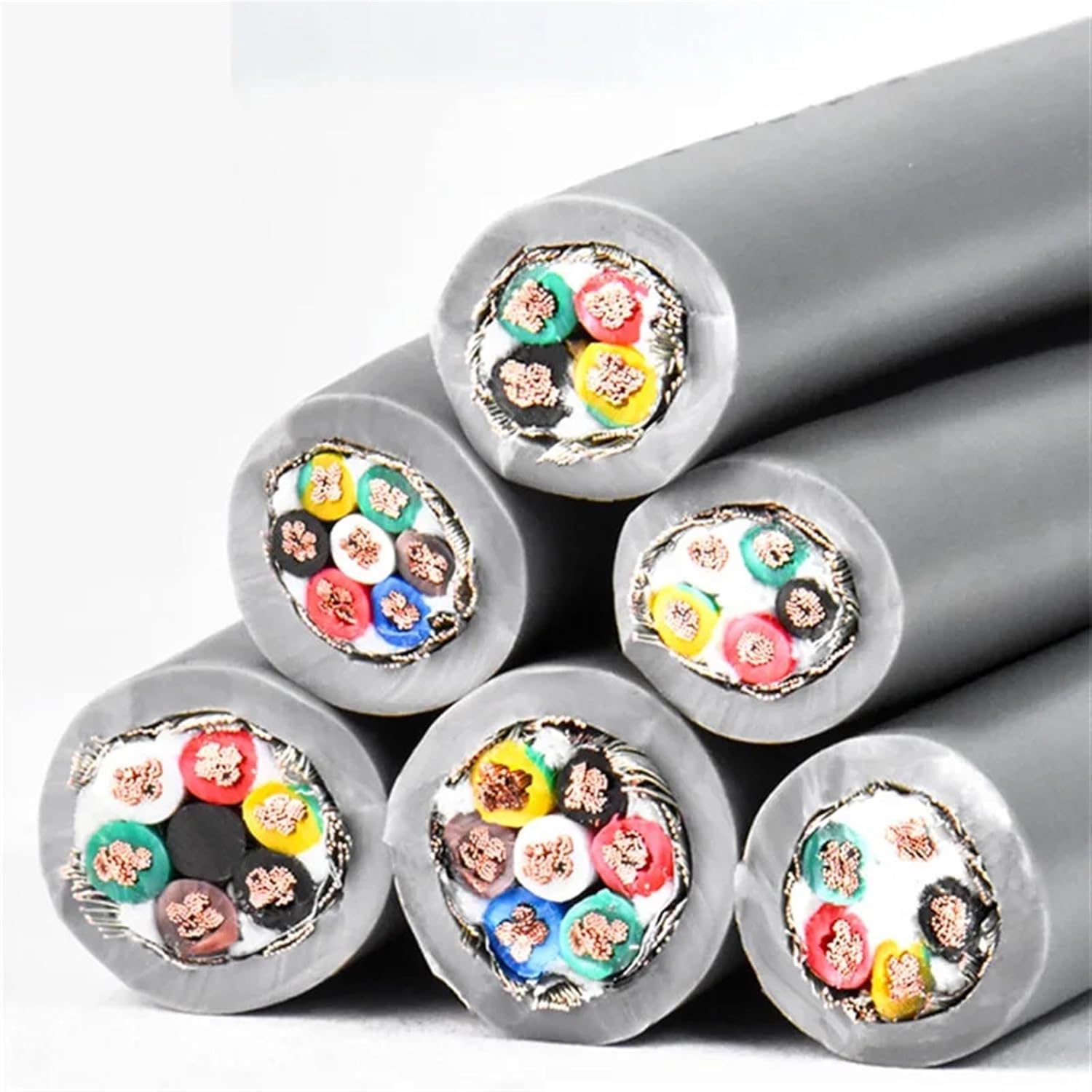
Table of Contents
- What Defines a Pure Copper Cable?
- Why Is Copper the Superior Choice for Cabling?
- Pure Copper vs. Copper Clad Aluminum (CCA): The Critical Distinction
- How to Identify Authentic Pure Copper Cables
- Applications Where Pure Copper Is Non-Negotiable
- Choosing the Right Copper Cable for Your Needs
What Defines a Pure Copper Cable?
A pure copper cable, often referred to as a solid copper or bare copper cable, is a type of wiring where the electrical conductors are made from 100% pure, unadulterated copper. Unlike inferior alternatives, these cables contain no other metals like aluminum in their core composition. In network cabling, such as Ethernet cables (Cat5e, Cat6, Cat6a), each of the twisted pairs consists of a solid copper wire. This construction is the foundation for reliable data transmission, electrical performance, and physical durability.
The use of pure copper is mandated by key industry standards, including those from the Telecommunications Industry Association (*TIA/EIA-568*). These standards exist to guarantee that a cable can meet the performance benchmarks required for specific network speeds and applications. When you invest in a certified solid copper cable, you are investing in a product engineered for optimal signal integrity and longevity, ensuring your network infrastructure performs as expected without compromise.
Why Is Copper the Superior Choice for Cabling?
The preference for pure copper in high-performance data cabling is not arbitrary; it is based on fundamental physical properties that directly impact network reliability and safety. The advantages of using solid copper conductors are significant and measurable, establishing it as the benchmark material for quality network infrastructure.
Superior Electrical Conductivity
Copper has the highest electrical conductivity rating of any non-precious metal. This property is crucial for data transmission, as it means less electrical resistance. Lower resistance translates to a stronger signal (less attenuation) over longer distances. With pure copper cables, you can confidently run cables up to the maximum channel length of 100 meters (328 feet) specified by TIA standards, whereas alternatives often fail long before reaching this distance. This ensures consistent performance for devices far from the network switch.
Enhanced Durability and Flexibility
From a physical standpoint, solid copper is more ductile and has a higher tensile strength than aluminum. This makes it far more resilient during installation. The process of pulling, bending, and terminating cables can stress the internal conductors. Pure copper wires can withstand this handling without breaking or cracking, reducing the risk of installation failure. This inherent toughness ensures a longer service life and protects the investment made in the network infrastructure.
Unmatched Safety and Compliance
One of the most critical advantages of pure copper is safety. Copper has a higher melting point and dissipates heat more effectively than its cheaper counterparts. This is especially important for applications involving Power over Ethernet (PoE), where electrical current is transmitted alongside data to power devices like IP cameras, VoIP phones, and wireless access points. Inferior cables can overheat under a PoE load, creating a significant fire hazard. UL-certified pure copper cables, like those manufactured by Dlaycable, are tested to handle these loads safely, ensuring compliance with national electrical codes and protecting both property and personnel.
Pure Copper vs. Copper Clad Aluminum (CCA): The Critical Distinction
The most common and deceptive alternative to pure copper is Copper Clad Aluminum (CCA). These cables consist of an aluminum core coated with a thin layer of copper. While they may look like solid copper cables to the untrained eye and are sold at a lower price point, their performance and safety are vastly inferior. Understanding the differences is essential for making an informed purchasing decision.
CCA cables are not compliant with *TIA* or *UL* standards for network communication wiring, meaning they cannot be legally or safely used in many installations. The aluminum core has approximately 61% of the conductivity of copper, which leads to higher DC resistance. This causes significant signal degradation, higher packet loss, and slower network speeds. The problem is magnified on longer cable runs and in high-bandwidth applications. Furthermore, aluminum is brittle and prone to breakage during termination and installation, leading to hidden connection failures that are difficult to troubleshoot.
Here is a direct comparison highlighting the key differences:
| Feature | Pure Solid Copper | Copper Clad Aluminum (CCA) |
|---|---|---|
| Conductivity | High (100% IACS) | Low (approx. 61% IACS) |
| Signal Loss (Attenuation) | Low | High (significant over distance) |
| PoE Support | Excellent; safe heat dissipation | Poor; high risk of overheating and fire |
| Durability | High; flexible and strong | Low; brittle and prone to breakage |
| TIA/EIA-568 Compliance | Yes | No |
| Oxidation | Oxidizes slowly, maintains connection | Oxidizes quickly, leads to connection failure |
How to Identify Authentic Pure Copper Cables
Given the prevalence of counterfeit and non-compliant cables, knowing how to verify the authenticity of pure copper wiring is a valuable skill. There are several practical methods you can use to ensure you are getting the quality product you paid for.
The Scrape Test
This is a simple yet effective physical test. Carefully take a sharp knife or blade and scrape the surface of one of the conductors. A pure copper wire will show a consistent, bright copper color all the way through. A CCA wire will reveal a silvery, white aluminum core underneath the thin copper coating.
The Weight Difference
Copper is significantly denser than aluminum. A box of 1000ft bulk solid copper Ethernet cable will be noticeably heavier than an equivalent box of CCA cable. While this requires a side-by-side comparison, experienced installers can often feel the difference immediately.
Check for Certifications and Markings
Legitimate manufacturers are proud of their quality. Look for markings printed directly on the cable jacket. Authentic cables will display certifications like UL (Underwriters Laboratories) or ETL (Intertek), along with the cable category (e.g., CAT6) and conductor type. At Dlaycable, we ensure all our pure copper cables are clearly marked with relevant compliance information, providing transparency and trust.
Applications Where Pure Copper Is Non-Negotiable
While CCA might be tempting for a non-critical, short-run home project, for any professional, commercial, or performance-sensitive application, pure copper is the only acceptable choice. Sacrificing quality for a small initial cost saving can lead to expensive network failures, safety hazards, and the need for a complete re-installation.
Commercial and Enterprise Networks
In business environments, network uptime is directly tied to productivity and revenue. Pure copper ensures stable, high-speed connections for workstations, servers, and other critical infrastructure. Its reliability minimizes troubleshooting and downtime.
Power over Ethernet (PoE) Deployments
For any system deploying security cameras, access points, or VoIP phones, pure copper is a safety mandate. The superior heat dissipation of copper prevents cable damage and fire risk, a danger that is very real with CCA cables under a constant electrical load.
Data Centers and High-Bandwidth Environments
Data centers demand flawless performance. Cat6a pure copper cables are essential for supporting 10 Gigabit Ethernet speeds without errors or signal degradation. The precision and quality of solid copper conductors are paramount in these high-stakes environments.
Choosing the Right Copper Cable for Your Needs
Selecting the appropriate pure copper cable involves matching the cable’s category rating to your network’s requirements. Each category is designed to support a specific network speed and bandwidth over a distance of up to 100 meters.
Understanding Cable Categories
- Cat6: A popular choice for modern LANs, supporting speeds up to 10 Gbps over shorter distances (up to 55 meters) and 1 Gbps up to 100 meters. It operates at a bandwidth of 250 MHz.
- Cat6a: The “a” stands for “augmented.” This cable supports 10 Gbps speeds over the full 100-meter distance, operating at 500 MHz. It is the recommended standard for new installations to ensure future-proofing.
- Cat7 and Cat8: These are higher-spec cables, typically used in data centers for very high-speed, short-distance connections between servers and switches.
When building a reliable network, the cabling is its central nervous system. Opting for 100% pure copper cables from a reputable manufacturer like Dlaycable is a foundational decision that guarantees performance, safety, and a long-term return on investment. It ensures your infrastructure can support current demands and is ready for the technologies of tomorrow.
Pingback: CCA Cable vs Copper Cable: Which One Should You Choose for Your Project? | Jiaxing Doublewin Cable
Pingback: | Jiaxing Doublewin Cable