


In today’s hyper-connected world, the stability and speed of your network are paramount. Whether you’re running a business, working from home, streaming 4K content, or building a smart home ecosystem, the invisible backbone of your operation is your cabling. As a leading manufacturer of high-performance network solutions, we at D-Lay Cable understand that choosing the right Ethernet cable is a critical decision that impacts your network’s performance today and its readiness for tomorrow.
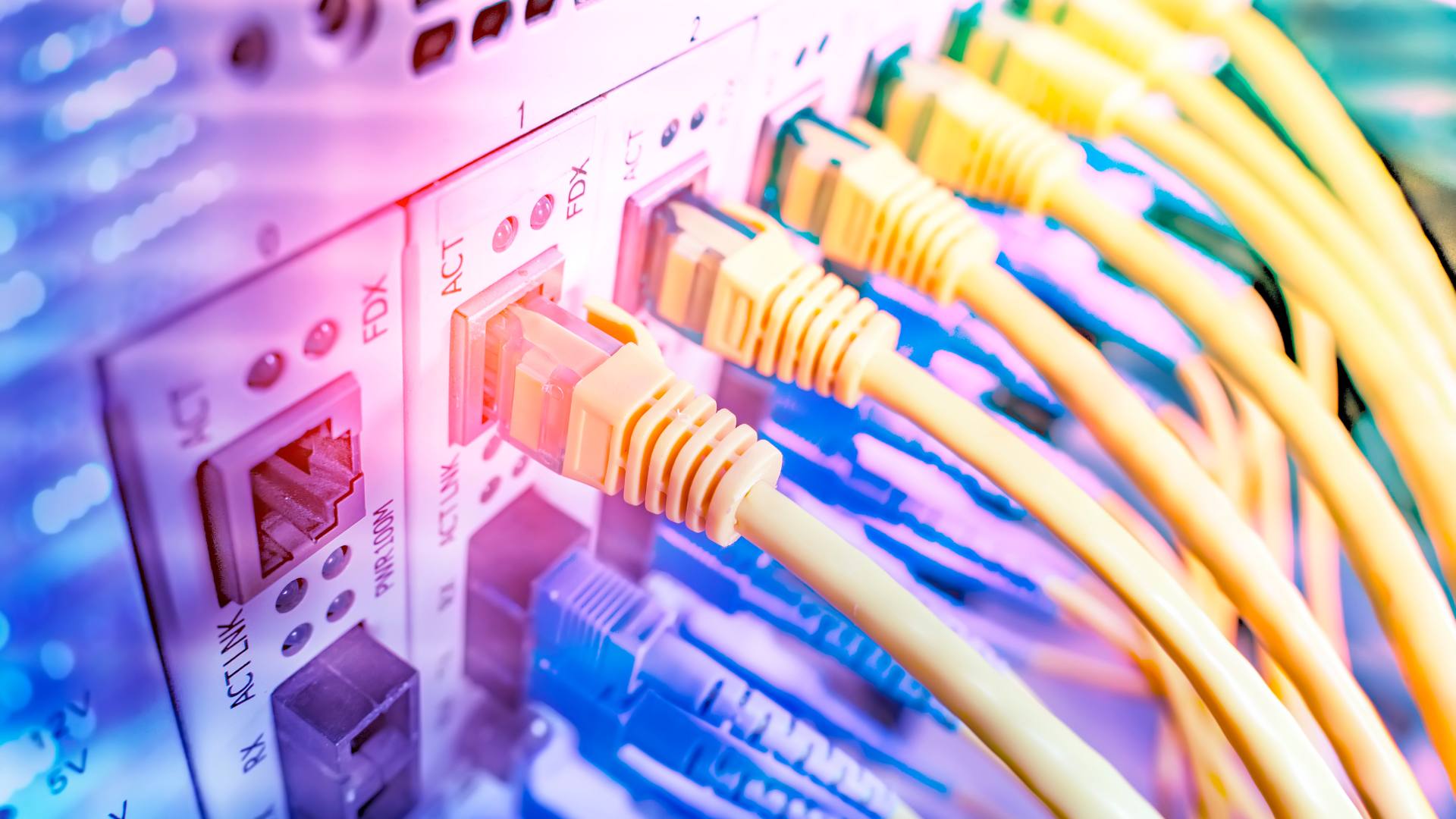
Two of the most common choices for structured cabling are Category 5e (Cat5e) and Category 6 (Cat6). While they may look similar, their internal construction and performance capabilities are vastly different. dlaycable will demystify the debate, providing a practical framework to help you decide when to stick with the reliable Cat5e and when it’s time to upgrade to the more powerful Cat6.
What is Cat5e? The Reliable Workhorse
Category 5e (the ‘e’ stands for ‘enhanced’) has been the go-to standard for years, and for good reason. It was designed to reduce crosstalk—unwanted signal interference between adjacent wires—compared to its predecessor, Cat5. It’s a cost-effective and dependable solution for many applications.
- Speed: Supports speeds up to 1 Gigabit per second (Gbps).
- Bandwidth: Operates at a frequency of 100 MHz.
- Best For: General home internet use, small office networks with standard data demands, and budget-conscious installations where Gigabit speeds are sufficient.
For many households and small businesses, a well-installed Cat5e system provides more than enough bandwidth for daily tasks like emailing, web browsing, and HD video streaming.
What is Cat6? The Modern Standard
Category 6 represents a significant step up in performance. It’s built with more stringent specifications to further reduce crosstalk and system noise, allowing for higher bandwidth and more reliable data transmission, especially in demanding environments.
- Speed: Capable of 10 Gbps speeds, though typically limited to shorter distances (around 37-55 meters). It reliably delivers 1 Gbps up to the full 100-meter length.
- Bandwidth: Operates at a frequency of 250 MHz, more than double that of Cat5e. This wider “pipe” allows more data to travel simultaneously.
- Key Features: Cat6 cables often feature a tighter twist in the copper pairs and a plastic separator called a ‘spline’ that runs down the center, physically isolating the pairs to drastically reduce interference.
- Best For: New commercial or residential constructions, future-proofing a network, offices with high data transfer needs, smart homes with numerous connected devices, and applications using Power over Ethernet (PoE) like security cameras and VoIP phones.
Cat6 vs. Cat5e: Head-to-Head Comparison
Here’s a simple breakdown of the key differences to help you visualize their capabilities.
| Feature | Cat5e | Cat6 |
|---|---|---|
| Max Speed | 1 Gbps | 10 Gbps (at shorter distances) |
| Bandwidth | 100 MHz | 250 MHz |
| Crosstalk (Interference) | Standard performance | Significantly Lower due to tighter twists and spline |
| Typical Cost | Lower | Higher (approx. 20-30% more) |
| Best Use Case | Basic home & small office networks | Future-proofing, high-demand environments, new installations |
The Decisive Factors: When Should You Upgrade?
The choice between Cat5e and Cat6 comes down to your specific needs, budget, and future plans. Here are some practical scenarios to guide your decision.
When to Stick with Cat5e
If your current network meets your needs and you’re on a tight budget, Cat5e is still a viable option. Consider staying with Cat5e if:
- Your internet plan is 1 Gbps or less.
- Your primary activities are web browsing, email, and standard HD streaming.
- You are making minor additions to an existing Cat5e network.
- Cost is the most critical factor in your project.
When an Upgrade to Cat6 is the Smart Move
Investing in Cat6 is about preparing for the future and ensuring peak performance for today’s demanding applications. You should strongly consider Cat6 if:
- You are doing a new installation: The marginal increase in cable cost is a small price to pay for a network that will last for years to come. The cost of labor is often the largest expense, so installing the better cable now saves on future upgrade costs.
- You want to future-proof: As internet speeds increase and more data-hungry devices enter our homes and offices, a Cat6 backbone ensures you’re ready.
- You have a “noisy” environment: In areas with significant electromagnetic interference (EMI) from power lines, fluorescent lights, or motors, the superior crosstalk resistance of Cat6 provides a more stable signal.
- You rely on Power over Ethernet (PoE): Cat6’s thicker copper conductors handle heat better, making it a more robust and efficient choice for powering devices like advanced security cameras, access points, and VoIP phones.
Beyond the Category: Why Cable Quality is Crucial
Choosing between Cat5e and Cat6 is only half the battle. The quality of the cable itself is arguably more important. At D-Lay Cable, we build our products to exceed standards, not just meet them, because we know what a difference it makes.
Pure Copper vs. CCA (Copper-Clad Aluminum)
Many cheap cables on the market use CCA conductors. While they lower the cost, they are brittle, have higher signal loss, and don’t comply with UL and TIA safety and performance standards. Always choose cables with 100% solid bare copper conductors. All D-Lay Cable network cables are made with pure copper to guarantee maximum performance, safety, and longevity.
Shielding (UTP vs. STP/FTP)
For most standard home and office environments, Unshielded Twisted Pair (UTP) cable is sufficient. However, in environments with high EMI, such as manufacturing floors or near heavy machinery, Shielded (STP) or Foiled (FTP) Twisted Pair cables provide an essential layer of protection. A Cat6 STP cable will deliver a far more reliable signal in these areas than even a high-quality UTP cable.
Certifications Matter
Look for cables with certifications like UL or ETL. These independent verifications ensure the cable meets strict safety and performance standards. It’s a mark of quality and your assurance that the cable will perform as advertised.
A Quick Look Ahead: What About Cat6a and Beyond?
Technology never stands still. While Cat6 is the current sweet spot for performance and value, it’s good to know what lies beyond.
- Cat6a (Augmented): This is the true standard for delivering 10 Gbps speeds over the full 100-meter distance. It features even better protection against crosstalk, making it ideal for data centers and high-end enterprise networks.
- Cat7 & Cat8: These are highly specialized, fully-shielded cables designed for extremely high-bandwidth applications, primarily in data centers, offering speeds of 40 Gbps and beyond.
As a manufacturer, D-Lay Cable provides a full range of solutions from Cat5e to Cat8, ensuring we can architect the perfect solution for any level of demand.
Conclusion: Making the Right Choice for Your Network
The Cat6 vs. Cat5e decision hinges on balancing current needs, future goals, and budget.
Cat5e remains a perfectly adequate choice for basic, budget-sensitive applications with 1 Gbps requirements. However, for any new installation or for anyone looking to build a robust, reliable, and future-ready network, Cat6 is the clear winner. The enhanced bandwidth and superior resistance to interference provide tangible benefits for today’s smart homes and data-driven businesses, and its modest additional cost is a wise investment in your property’s digital infrastructure.
Ultimately, a high-performance network is built on a foundation of high-quality components. By choosing certified, pure copper cables like those from D-Lay Cable, you ensure that whichever category you select, you are getting the performance and reliability you paid for. Build it right, and build it once.