


Yes, Category 8 (Cat8) ethernet cable not only supports 10Gbps but is vastly over-specified for it, designed to handle significantly faster data rates of 25Gbps (25GBASE-T) and even 40Gbps (40GBASE-T). However, its design purpose is for short-distance, high-bandwidth connections, primarily found within data centers. This makes the decision between using Cat8 and other capable standards like Cat6A for a 10Gbps network a critical one, hinging on your specific environment, distance requirements, and future upgrade plans.
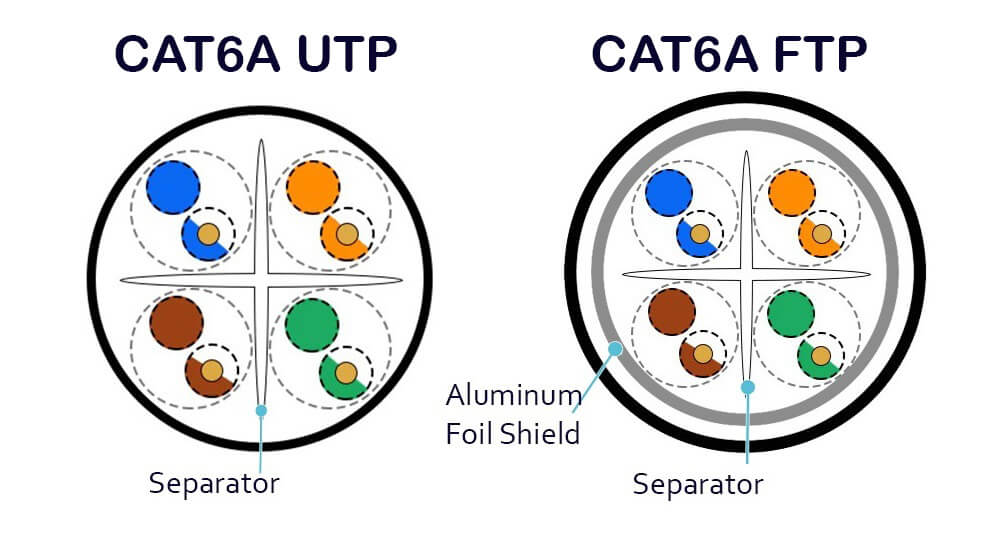
Table of Contents
- What is a Cat8 Cable? Unpacking the Next-Generation Standard
- The Direct Answer: Cat8 and 10Gbps Compatibility
- The Real Question: Is Cat8 Overkill for 10Gbps?
- When is Cat8 the Right Choice? Identifying Ideal Use Cases
- What About Cat8 for a Home Network?
- Conclusion: Choosing the Right Cable for Your 10Gbps Network
What is a Cat8 Cable? Unpacking the Next-Generation Standard
Before determining its role in a 10Gbps network, it’s essential to understand what a Cat8 cable truly is. Defined by the ANSI/TIA-568-C.2-1 standard, Cat8 represents the pinnacle of twisted-pair copper cabling technology. It is specifically engineered to support a staggering frequency of up to 2000 MHz—four times the bandwidth of Cat6A. This immense bandwidth is what allows it to reliably transmit data for 25GBASE-T and 40GBASE-T Ethernet standards, positioning it as the copper solution for the next generation of network speeds primarily within server and data center environments.
A defining—and often misunderstood—characteristic of Cat8 is its strict distance limitation. A complete Cat8 channel is restricted to a maximum length of 30 meters (approximately 98 feet). This channel typically consists of up to 24 meters of solid horizontal cable and a combined total of 6 meters for patch cords at either end. This limitation is a matter of physics; pushing frequencies as high as 2000 MHz down a copper cable leads to significant signal loss (attenuation) over distance. By keeping the runs short, the TIA standard ensures that the signal integrity remains pristine, delivering error-free performance at speeds of 25Gbps or 40Gbps. This is a crucial distinction from previous categories designed for 100-meter runs.
To manage the extreme frequencies and prevent interference, Cat8 cabling specifications mandate robust shielding. Every Cat8 cable is either a Screened/Foiled Twisted Pair (S/FTP) or Foiled/Foiled Twisted Pair (F/FTP) construction. This involves individual foil shielding around each pair of wires, plus an outer braid or foil screen enveloping all four pairs. This dual-layer of defense is vital for mitigating both internal crosstalk between pairs and, more importantly, alien crosstalk (AXT) from neighboring cables. In the dense, high-bandwidth environments of a data center, such shielding isn’t a luxury—it’s an absolute necessity for reliable performance.
The Direct Answer: Cat8 and 10Gbps Compatibility
With an understanding of its specifications, the answer becomes crystal clear: Cat8 is more than capable of supporting a 10Gbps connection. Using a Cat8 cable for a 10Gbps link is akin to driving a high-performance race car on a local street; it’s operating far below its maximum potential. This means that a 10Gbps signal will run over a Cat8 cable with exceptional stability and a near-zero error rate, provided the connection is within the 30-meter channel limit. The superior bandwidth and shielding offer a massive amount of performance headroom, ensuring the most reliable 10Gbps link possible.
So, when would you strategically use a state-of-the-art Cat8 cable for a “slower” 10Gbps connection? The primary scenario is tactical future-proofing in a data center. Imagine connecting a 10Gbps network switch to a server. If you anticipate upgrading that switch and server to 25Gbps within the next few years, installing a Cat8 cable now makes perfect financial and operational sense. It eliminates the need for a costly and disruptive re-cabling project later, allowing for a seamless transition to higher speeds when the time comes. It is an investment in the network’s future infrastructure.
The Real Question: Is Cat8 Overkill for 10Gbps?
While Cat8 certainly works for 10Gbps, the more practical question network administrators and installers ask is, “Is it overkill?” For the vast majority of 10Gbps deployments, the answer is yes. The term “overkill” here refers to a mismatch in performance, cost, and practicality. Cat8’s higher cost, thicker gauge, and reduced flexibility are justified when you need 25/40Gbps speeds. However, for a standard 10Gbps network that requires cabling runs throughout an office building or across a large home, its 30-meter distance limitation makes it not just overkill, but often unusable.
Cat8 vs. Cat6A: The Pragmatic Choice for 10Gbps
The true industry standard for 10Gbps networking is Category 6A (Cat6A). Cat6A was specifically designed to support 10GBASE-T reliably over the full 100-meter (328-foot) channel length typical of horizontal network runs. It offers the perfect balance of performance, cost, and installation flexibility for almost any 10Gbps deployment outside of a data center switch rack.
Comparing the two standards directly highlights why Cat6A is often the more logical choice for 10Gbps.
| Feature | Cat8 Cable | Cat6A Cable |
|---|---|---|
| Max Speed Supported | 40Gbps (40GBASE-T) | 10Gbps (10GBASE-T) |
| Bandwidth (Frequency) | 2000 MHz | 500 MHz |
| Max Distance for 10Gbps | 30 meters (98 feet) | 100 meters (328 feet) |
| Shielding | S/FTP or F/FTP (Required) | UTP or Shielded (Optional but Recommended) |
| Primary Use Case | Data Center (Switch-to-Server) | Enterprise, SMB, and High-End Home Networks |
| Relative Cost | Higher | Lower |
As the table illustrates, Cat6A’s primary advantage for a widespread 10Gbps network is its 100-meter reach. This allows you to connect workstations, access points, and devices across different floors and rooms without worrying about the severe distance constraints of Cat8. For any new office build-out or home network renovation aimed at achieving 10Gbps speeds, Cat6A provides all the required performance at a more reasonable cost and with far greater installation versatility.
When is Cat8 the Right Choice? Identifying Ideal Use Cases
Cat8 is not a universal upgrade for all networks; it is a specialized solution for specific, high-demand applications. Deploying it correctly means understanding where its unique capabilities provide a tangible benefit.
Inside the Data Center
The native environment for Cat8 is the modern data center. It is the ideal medium for short-reach interconnects between servers and switches. In architectures like Top-of-Rack (ToR), where servers in a single rack connect to a switch in the same rack, or End-of-Row (EoR), where a row of racks connects to a central network cabinet, the connection distances are well within Cat8’s 30-meter limit. Here, it allows for a direct copper-based upgrade path from 10G to 25G or even 40G, which is more cost-effective and uses less power than fiber optic alternatives for these short distances.
Future-Proofing for 25Gbps and Beyond
The most compelling reason to use Cat8 is for future-proofing critical infrastructure backbones. If an organization is building a new data center or server room and has a clear roadmap to adopt 25Gbps or 40Gbps networking standards, installing Cat8 from the outset is a proactive and intelligent decision. It ensures the physical layer can support future active equipment upgrades without the need for expensive and labor-intensive re-cabling, protecting the initial investment.
High-Frequency and High-Interference Environments
In some niche industrial or scientific settings, Cat8’s mandatory and robust S/FTP shielding can provide an advantage even for 10Gbps speeds. Environments with significant electromagnetic interference (EMI)—such as manufacturing floors with heavy machinery, power generation facilities, or medical centers with powerful imaging equipment—can wreak havoc on network signals. In these electrically “noisy” scenarios, the superior shielding of a Cat8 cable can provide a more stable link, but only if the 30-meter distance requirement can be met.
What About Cat8 for a Home Network?
With the rise of multi-gig home internet plans and 10GbE-capable network-attached storage (NAS) devices, some enthusiasts wonder if Cat8 is the ultimate choice for their home lab or media network. In virtually all residential scenarios, Cat8 is both unnecessary and impractical. The overwhelming majority of home network runs—from a basement switch to an upstairs office or home theater—will easily exceed the 30-meter limit of Cat8, making it an invalid choice for structured wiring.
For home users, including power users and content creators, Cat6A is the far superior and more sensible option. It delivers flawless 10Gbps performance over the 100-meter distances required in a home, handles multi-gig internet speeds with ease, and is more than sufficient for high-speed access to local servers or NAS devices. Investing in a high-quality, certified Cat6A cable provides all the performance a home network will need for the foreseeable future at a fraction of the cost and with none of the installation constraints of Cat8.
Conclusion: Choosing the Right Cable for Your 10Gbps Network
To return to our central question: Does Cat8 support 10Gbps? Absolutely. It handles it with an immense performance buffer. However, the key takeaway is that Cat8 is a specialized tool designed for the 25/40Gbps speeds of data centers, not a universal upgrade for all 10Gbps networks. The choice is not about which cable is definitively “best,” but which cable is right for the specific application.
Your decision should be guided by your environment. For short, rack-to-rack connections within a data center or for a clearly defined upgrade path to 25Gbps or faster, Cat8 is the correct, forward-looking choice. For all other 10Gbps applications—including enterprise-wide office deployments, small business networks, and high-performance home networks that require runs up to 100 meters—Cat6A remains the industry standard and the most practical, cost-effective solution.
Whether your project demands the cutting-edge performance of Cat8 for a data center or the reliable, long-distance capability of Cat6A for an enterprise network, quality is paramount. At D-Lay Cable, we provide certified, high-quality cabling solutions to meet the stringent demands of any network design. Explore our products or contact our experts to ensure your network is built on a foundation of reliability and performance.