


Power over Ethernet (PoE) technology has transformed how we deploy network devices, from IP cameras and VoIP phones to wireless access points. By delivering both data and electrical power over a single Ethernet cable, it eliminates the need for separate power outlets, simplifying installation and reducing costs. A common question our clients ask is, “How far can I actually run PoE on a Cat6 cable?”
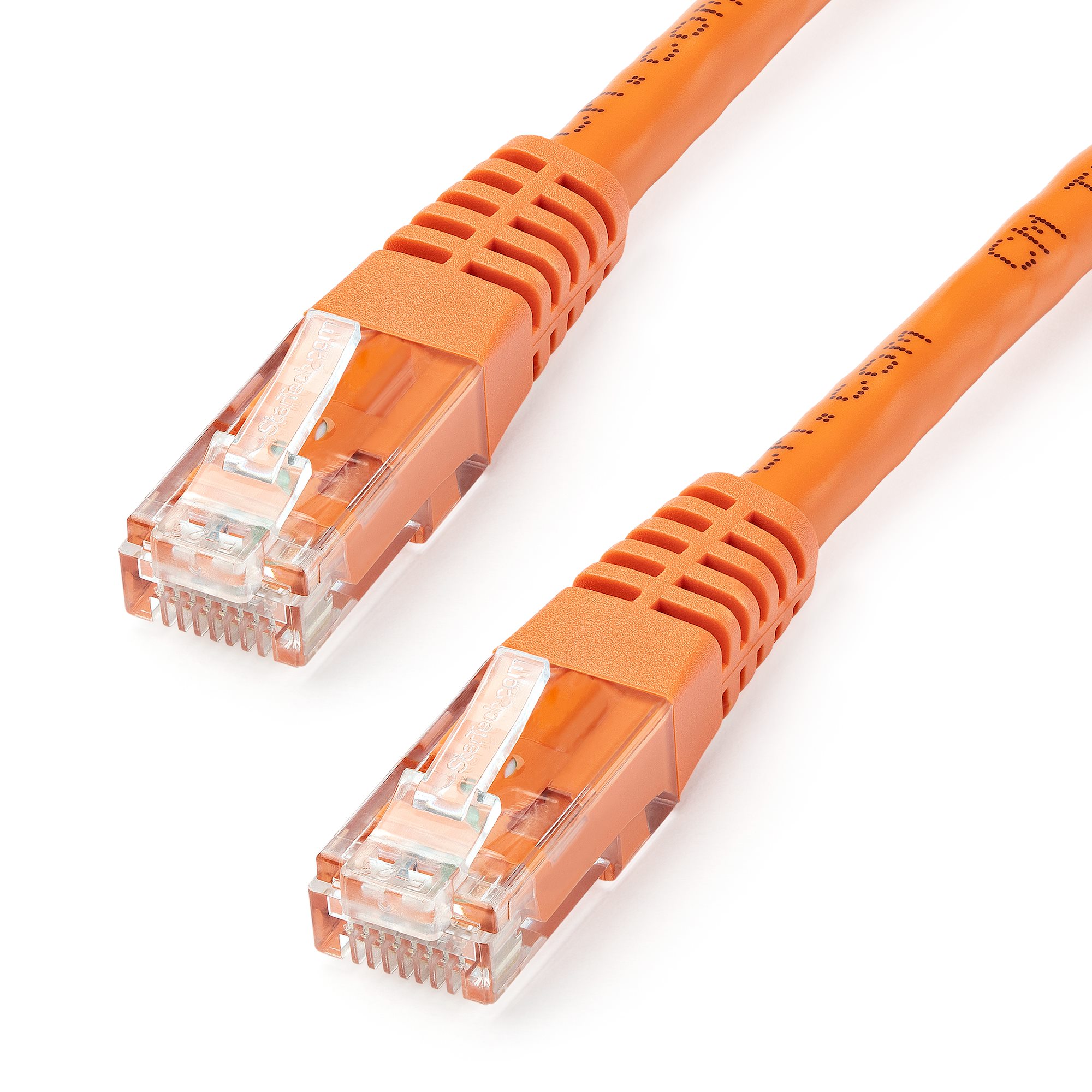
As a leading manufacturer of high-performance structured cabling, we at Dlaycable are here to give you the definitive answer. While the standard specifies a clear limit, several real-world factors can influence that distance. dlaycable will cover the official standards, the critical role your cable quality plays, and how to ensure a reliable PoE network.
In This Article:
The Standard Answer: The 100-Meter Rule
According to the TIA/EIA 568-C.2 standard, which governs structured cabling, the maximum length for any Ethernet cable channel, including Cat6, is 100 meters (or 328 feet). This rule applies whether you are running data only or data plus PoE.
This 100-meter channel is broken down into two parts:
- 90 meters (295 feet) of solid-core, permanent “horizontal” cable. This is the cable running inside walls, ceilings, and conduits.
- 10 meters (33 feet) total for patch cords. This typically includes a patch cord from the patch panel to the switch and another from the wall outlet to the end device.
This standard ensures that both the data signal and the electrical power arrive at the powered device (PD) with sufficient strength, accounting for signal degradation (attenuation) and voltage drop over the distance.
A Quick Look at PoE Standards (PoE, PoE+, PoE++)
Not all PoE is the same. The amount of power delivered has increased with evolving IEEE standards to support more demanding devices. Understanding these standards is key because higher power levels are more susceptible to issues caused by cable quality and length.
| Standard | Common Name | Max Power at Source | Max Power to Device |
|---|---|---|---|
| IEEE 802.3af | PoE (Type 1) | 15.4W | 12.95W |
| IEEE 802.3at | PoE+ (Type 2) | 30W | 25.5W |
| IEEE 802.3bt | PoE++ (Type 3) | 60W | 51W |
| IEEE 802.3bt | High-Power PoE (Type 4) | 100W | 71.3W |
Notice the difference between power at the source (PSE) and power at the device (PD). This loss is primarily due to heat dissipation along the cable’s length—a factor we’ll discuss next.
Why Cat6 is the Ideal Choice for Modern PoE
While Cat5e can support PoE, Cat6 cable is the superior choice for any modern PoE installation, especially for higher-power PoE+ and PoE++ applications. Here’s why:
- Thicker Copper Conductors: Dlaycable’s Cat6 cables are manufactured with 23 AWG (American Wire Gauge) pure copper conductors, which are thicker than the 24 AWG wires found in Cat5e. Thicker wires have lower DC resistance.
- Less Power Loss: Lower resistance means less power is lost as heat over the length of the cable. This ensures more power reaches your device and keeps the cable cooler.
- Better Heat Dissipation: The design of Cat6 cables, often including a spline to separate pairs, helps dissipate heat more effectively. This is crucial when running multiple PoE cables in a bundle, as heat buildup can degrade performance and even violate safety codes.
- Future-Proofing: Cat6 supports higher data rates (up to 10 Gbps at shorter distances) and is better equipped to handle the increasing power demands of future devices.
Critical Factors That Impact PoE Distance
Sticking to the 100-meter rule is the best practice, but assuming any Cat6 cable will perform perfectly up to that limit is a mistake. Here are the factors that can reduce your effective PoE distance:
1. Cable Quality: Pure Copper vs. Copper Clad Aluminum (CCA)
This is the single most important factor. Low-cost CCA cables use an aluminum core coated with a thin layer of copper. Aluminum has 55% higher DC resistance than pure copper. Using CCA for PoE is a significant risk:
- Excessive Voltage Drop: The powered device may not receive enough voltage to operate, especially on longer runs.
- Dangerous Heat Buildup: The higher resistance generates more heat, which can damage the cable, create a fire hazard, and cause network performance to plummet.
- Non-Compliance: CCA cables do not comply with TIA or UL standards for network cabling.
At Dlaycable, we only manufacture cables with 100% pure bare copper conductors to guarantee safety, reliability, and compliance with all performance standards.
2. Ambient Temperature
The TIA standards assume an ambient temperature of 20°C (68°F). For every degree above this, the maximum recommended channel length must be reduced. In hot environments like attics or non-ventilated server closets, a 90-meter permanent link might need to be derated to 75-80 meters to perform reliably.
3. Power Requirements
A low-power device like a simple VoIP phone might function perfectly fine on a full 100-meter run of quality cable. However, a high-power PTZ security camera (requiring PoE++) will be far more sensitive to voltage drop and may start to show issues on runs approaching the maximum limit.
How to Extend PoE Beyond 100 Meters
What if your device location is more than 100 meters away? You have several professional options:
- PoE Extenders: These devices are placed in-line and use a small amount of the PoE power to regenerate the data signal and power, effectively “resetting” the 100-meter limit. You can even daisy-chain some models to reach several hundred meters.
- Long-Range PoE Switches: Some specialized network switches have an “extended range” mode that can push low-bandwidth data and power up to 250 meters, but this often comes at the cost of reducing the data speed to 10 Mbps.
- Fiber Optic Cable: For the longest distances (kilometers), the best solution is to run fiber optic cable. Fiber is immune to electromagnetic interference and has virtually no distance limitation for data. At the far end, you use a fiber media converter that converts the signal back to copper and injects PoE to power the end device.
Conclusion: Building a Reliable PoE Network Starts with Quality Cable
So, how far can PoE run on Cat6? The industry standard is a firm 100 meters (328 feet). However, this distance is only achievable when you use high-quality, standards-compliant cabling installed correctly.
Choosing a premium, pure copper Cat6 cable from Dlaycable is the foundation of a robust and safe PoE network. It ensures minimal power loss, better heat management, and the reliable performance you expect for your critical devices. Don’t let inferior cable compromise your network’s reach and stability.
For your next project, ensure success by choosing the right components. Browse our full range of UL-certified Cat6 cables and PoE networking solutions, or contact our expert team for a quote on your custom OEM/ODM cabling needs.