


As a leading manufacturer of network cabling solutions, we at Dlay Cable often get questions about the relevance of older standards. One of the most common is: “Is a Cat5 Ethernet cable still good?” It’s a valid question, especially with so many options like Cat6, Cat7, and even Cat8 on the market. The short answer is: it depends, but you’re probably thinking of Cat5e.
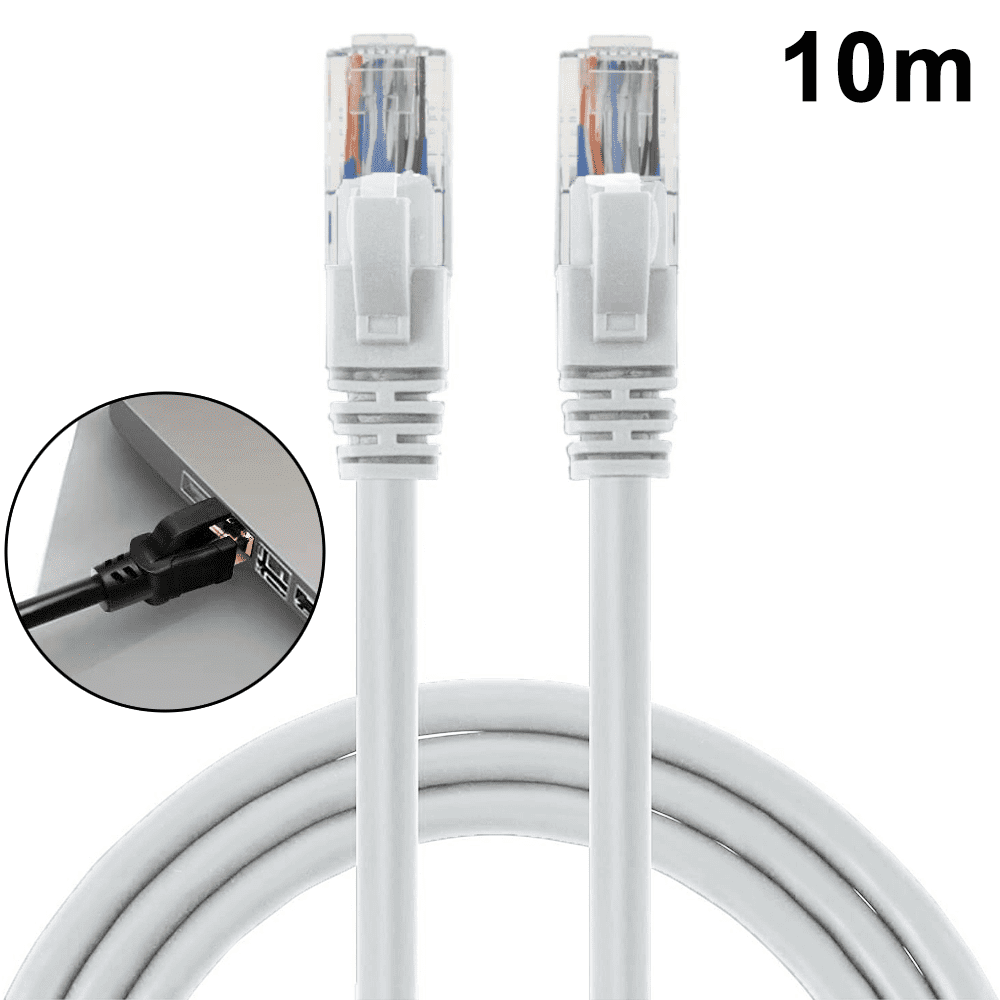
Let’s dive into the details. dlaycable will provide a clear, expert perspective to help you understand if a Cat5e cable is the right choice for your home or business network needs.
Understanding the Key Difference: Cat5 vs. Cat5e
First, it’s crucial to distinguish between Cat5 and Cat5e. The original Cat5 (Category 5) cable is now considered obsolete. It was designed for speeds up to 100 Mbps (megabits per second). You would be hard-pressed to find new Cat5 cable for sale from any reputable manufacturer today.
The cable you’re likely encountering is Cat5e (Category 5 Enhanced). This became the standard by offering significant improvements, most notably:
- Higher Speeds: Cat5e supports speeds up to 1 Gigabit per second (Gbps), which is 10 times faster than Cat5.
- Reduced Crosstalk: It’s manufactured with stricter standards and tighter wire twists, which reduces interference (crosstalk) between the internal wire pairs, ensuring a more stable connection.
For the rest of this article, when we discuss the viability of “Cat5,” we will be referring to the much more capable and common Cat5e standard.
Cat5e Performance: Speed and Bandwidth Capabilities
So, what can you realistically expect from a Cat5e cable? Here are the technical specifications and what they mean for you:
- Speed: Up to 1 Gbps (1000 Mbps). This is the standard speed for most modern wired home and small office networks.
- Bandwidth: Up to 100 MHz. Think of bandwidth as the highway’s width; it determines how much data can be transferred at once. 100 MHz is sufficient for gigabit speeds over standard distances.
- Distance: Cat5e can maintain 1 Gbps speeds over a distance of up to 100 meters (328 feet).
For most everyday internet activities—including streaming HD and 4K video, online gaming, video conferencing, and general web browsing—a 1 Gbps connection provided by Cat5e is more than sufficient.
Head-to-Head: Cat5e vs. Cat6 and Beyond
To understand if Cat5e is “good,” you need to see how it stacks up against newer standards. As manufacturers of all these categories, we can provide a clear comparison.
| Feature | Cat5e | Cat6 | Cat6a |
|---|---|---|---|
| Max Speed | 1 Gbps | 1 Gbps (up to 10 Gbps at ~55m) | 10 Gbps |
| Max Bandwidth | 100 MHz | 250 MHz | 500 MHz |
| Crosstalk Shielding | Basic | Improved (often with a spline) | Enhanced (thicker jacket, better shielding) |
| Best For | Home internet, small offices, budget-conscious installations. | New installations, future-proofing, environments with moderate interference. | Data centers, enterprise networks, 10G connections, high-interference areas. |
The main advantage of Cat6 and Cat6a lies in their superior bandwidth and better resistance to interference, which makes them a more robust and future-proof choice, especially for new infrastructure projects.
The Verdict: When is a Cat5e Cable “Good Enough”?
A high-quality Cat5e cable is absolutely a good choice in many common scenarios. Consider sticking with or using Cat5e if:
- Your Internet Plan is 1 Gbps or Less: If you’re paying for an internet plan that is 1 Gbps or slower, a Cat5e cable can deliver the full speed you’re paying for.
- You Have an Existing Installation: If your home or office is already wired with Cat5e and your network is performing well, there’s often no compelling reason to undertake the expensive process of rewiring.
- You’re on a Tight Budget: Cat5e is the most cost-effective option for patch cables and bulk installations, providing excellent performance for the price.
- Standard Home and Office Use: For connecting computers, printers, smart TVs, and gaming consoles to a standard router, Cat5e is perfectly adequate.
Signs It’s Time to Upgrade from Cat5e
While Cat5e is still very capable, there are clear situations where upgrading to Cat6 or Cat6a is the smarter investment.
- New Construction or Major Renovations: If you are running new cable through walls, always choose at least Cat6, if not Cat6a. The cost of labor is the main expense, so installing a more capable cable provides significant future-proofing for a minimal increase in material cost.
- You Have a >1 Gbps Internet Plan: If you have or plan to get a multi-gig internet service (e.g., 2.5 Gbps, 5 Gbps), you will need Cat6a or higher to take full advantage of those speeds.
- High-Interference Environments: In settings with significant electromagnetic interference (EMI)—like near heavy machinery, power lines, or fluorescent lights—the better shielding of Cat6 or Cat6a will provide a more stable and reliable connection.
- Heavy Internal Network Traffic: For businesses that frequently transfer very large files between computers or to a network-attached storage (NAS) device, a 10 Gbps-capable network built on Cat6a will offer a massive performance boost.
Beyond the Category: Why Cable Quality is Crucial
Here’s an insider tip: the quality of the cable’s construction is just as important as its category rating. A well-made Cat5e cable will always outperform a poorly made Cat6 cable. As a manufacturer committed to quality (OEM/ODM) and industry standards, we urge you to look for these signs of a quality cable:
- Pure Bare Copper Conductors: Always choose cables with 100% pure copper conductors. Avoid Copper Clad Aluminum (CCA) cables. CCA is brittle, has higher resistance, and is not compliant with TIA standards for network cabling. It can lead to data loss, connection drops, and even be a fire hazard in Power over Ethernet (PoE) applications.
- Proper Certifications: Look for cables that are certified by Underwriters Laboratories (UL) or ETL. This ensures the cable has been tested for safety and performance standards. Compliance with RoHS is also important for environmental safety.
- Reputable Manufacturer: A reliable manufacturer will stand by their product, providing clear specifications and performance guarantees.
Final Thoughts: Choosing the Right Cable for Your Needs
So, is a Cat5e Ethernet cable good? Yes, for its intended purpose, a high-quality Cat5e cable remains a perfectly good and highly effective choice for the vast majority of home and small business networks today. It delivers gigabit speeds reliably and cost-effectively.
However, its “goodness” is conditional. For new installations, future-proofing, or environments that demand speeds beyond 1 Gbps, investing in Cat6 or Cat6a is the more strategic decision. The most important factor is to match the cable to your specific application and to always prioritize quality construction over category number alone.
If you have questions about which cabling solution is right for your project, or if you require reliable, certified bulk cabling for a large-scale installation, the experts at Dlay Cable are here to provide the products and guidance you need. Contact us today to build a network you can depend on.