


When planning a robust and reliable network infrastructure, every detail matters. One of the most common yet critical questions we encounter at DLAyCABLE is about the specific construction of Ethernet cables. If you’re wondering, “What gauge wire is Cat6?” you’re already focusing on a detail that directly impacts network performance, especially for long-term installations. As experts in high-performance cabling, we’re here to provide a definitive answer.
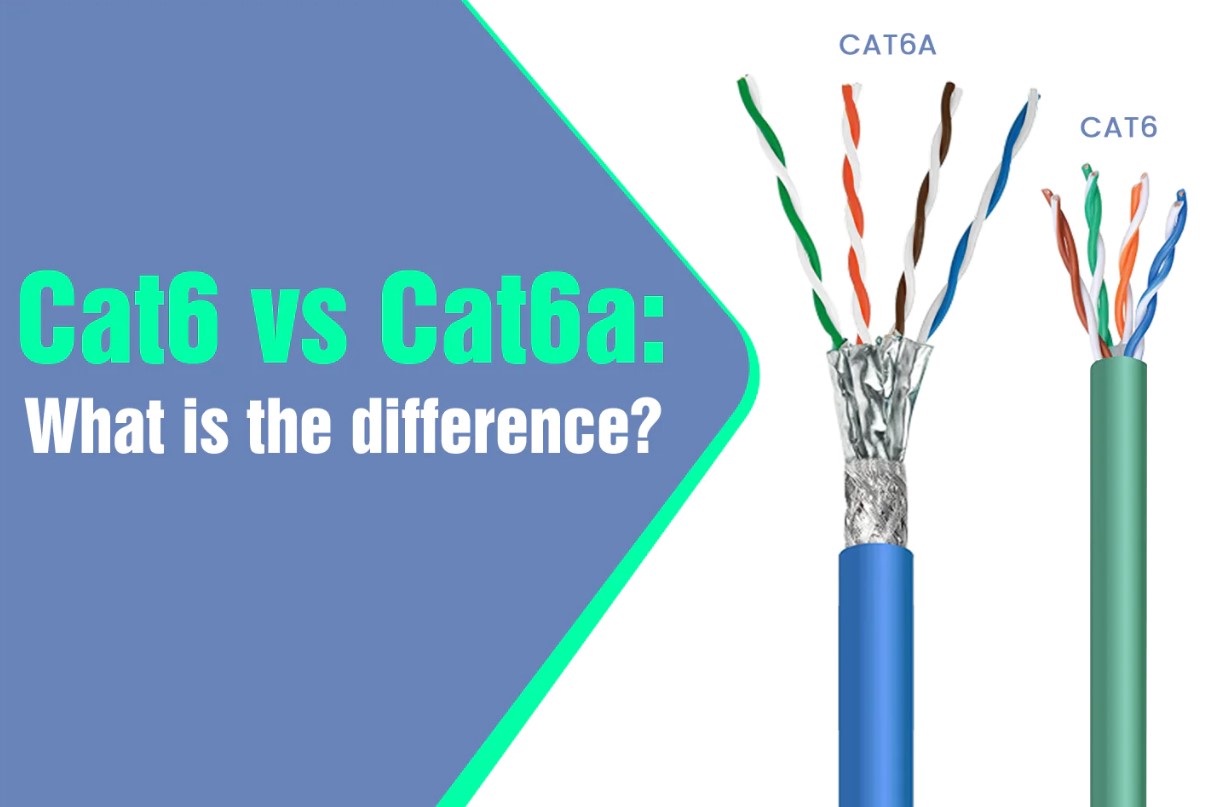
The short answer is: Standard Cat6 cable uses 23 AWG (American Wire Gauge) conductors. However, the full story is slightly more nuanced and understanding the difference is key to choosing the right cable for your project.
The Straight Answer: The Standard Gauge for Cat6 Cable
The TIA/EIA-568 standard for communications cabling, which defines the performance characteristics of twisted-pair cables, specifies Cat6 cables to be made with conductors between 22 AWG and 24 AWG. While this provides a range, the industry benchmark and the standard for high-quality, solid-conductor Cat6 cable—the kind used for permanent in-wall installations—is 23 AWG.
This thicker gauge is a primary reason Cat6 offers superior performance over its predecessor, Cat5e, which typically uses 24 AWG wire.
Understanding Wire Gauge (AWG)
Before we go deeper, let’s clarify what AWG means. American Wire Gauge is a standardized system for measuring the diameter of a wire. It might seem counterintuitive, but the system works in reverse:
- A lower AWG number indicates a thicker wire.
- A higher AWG number indicates a thinner wire.
Therefore, a 23 AWG wire is physically thicker than a 24 AWG wire. Think of it like a water pipe—a thicker pipe can carry more water with less pressure loss. Similarly, a thicker copper wire can carry more data and power with less signal loss and resistance.
Why Isn’t All Cat6 Cable the Same Gauge? Solid vs. Stranded
This is where the nuance comes in. The “23 AWG” standard primarily applies to one type of Cat6 cable. The difference arises from the cable’s internal construction: solid or stranded.
Solid Core Cat6 (Typically 23 AWG)
Solid core Cat6 cable is the backbone of any permanent network installation. Each of the eight individual conductors within the cable is a single, solid piece of copper. At DLAyCABLE, our bulk Cat6 and Cat6A riser (CMR) and plenum (CMP) cables are all made with 23 AWG solid pure bare copper conductors.
- Best Use: Permanent infrastructure wiring, such as runs inside walls, ceilings, and between floors. It’s designed to be terminated into keystone jacks, patch panels, and wall outlets.
- Advantages of 23 AWG Solid Core:
- Lower DC Resistance: The thicker wire minimizes signal degradation (attenuation) over long distances, ensuring your network performs reliably up to the full 100-meter (328-foot) standard.
- Superior PoE Performance: It dissipates heat more effectively and carries power more efficiently, making it essential for Power over Ethernet (PoE) applications like security cameras, VoIP phones, and wireless access points.
- Durability: A single solid wire is robust and ideal for punching down into termination points without breaking.
Stranded Core Cat6 (Often 24 AWG)
Stranded core Cat6 cable is what you find in pre-made patch cords. Instead of a single solid wire, each conductor is made of multiple, thinner strands of copper wire twisted together. These thinner strands are often 24 AWG.
- Best Use: Patch cables used to connect devices to wall outlets or to connect network switches to patch panels.
- Why the Thinner Gauge is Acceptable:
- Flexibility: The stranded construction makes the cable highly flexible and able to withstand repeated bending without breaking. This is perfect for the short-distance connections at a desk or in a server rack.
- Short Distances: Patch cords are used for short runs where the minimal increase in signal loss from the thinner 24 AWG wire is negligible and does not impact performance.
Does Wire Gauge Really Matter for Cat6 Performance?
Absolutely. Choosing a cable with the correct gauge is not just about meeting a standard; it’s about guaranteeing performance, safety, and future-proofing your network.
- Signal Integrity: For the “backbone” of your network, 23 AWG solid core is non-negotiable. Using a thinner wire (like 24 AWG or even 26 AWG, found in some low-quality cables) for long runs will result in higher attenuation, leading to data loss, slower speeds, and unreliable connections.
- Power over Ethernet (PoE): With the rise of PoE, PoE+, and PoE++ devices, wire gauge is more critical than ever. A 23 AWG wire’s lower resistance means less power is lost as heat, delivering more efficient and stable power to your devices and reducing the risk of overheating the cable bundle.
- Compliance and Reliability: Reputable manufacturers adhere to the 23 AWG standard for solid core cable to ensure their products pass rigorous testing, like the Fluke Channel Test, and meet UL and ETL safety certifications.
How to Choose the Right Cat6 Gauge for Your Project
Making the right choice is simple when you know the application:
- For structured cabling inside walls and ceilings: Always use a 23 AWG Solid Core Cat6 cable. This ensures maximum performance, supports PoE effectively, and provides a reliable foundation for your network.
- For connecting your computer or other devices to a wall plate: Use a high-quality Stranded Core Cat6 Patch Cable. These are typically 24 AWG and are designed for the flexibility and short distances required for patching.
The DLAyCABLE Commitment: Quality and Compliance You Can Trust
At DLAyCABLE, we don’t compromise on the fundamentals. Our mission is to provide professional installers and network-savvy users with cabling they can install with confidence. That’s why our solid conductor Cat6 and Cat6A bulk cables are exclusively manufactured with 23 AWG pure bare copper wire.
Every box of our cable is Fluke tested, UL Listed, and ETL Verified to meet and exceed industry standards. When you choose DLAyCABLE, you’re not just buying a cable; you’re investing in the guaranteed performance and reliability that a modern, high-speed network demands.