


In today’s hyper-connected world, the speed and reliability of your network are paramount. Whether you’re streaming 4K movies at home, collaborating with a global team at the office, or managing critical infrastructure in a data center, the physical cabling is the unsung hero that makes it all possible. At Dlaycable, with over 20 years of manufacturing expertise, we know that choosing the right cable is the foundation of a high-performance network. One of the most prevalent and versatile standards today is the Category 6, or Cat6, cable.
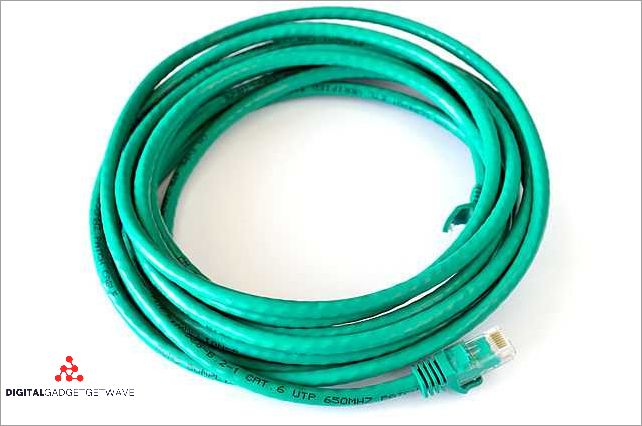
But what exactly is it used for, and why has it become the go-to choice for so many new installations? dlaycable will break down everything you need to know about the applications of Cat6 cable.
Article Directory
First, What Exactly is a Cat6 Cable?
A Category 6 (Cat6) cable is a standardized twisted pair cable for Ethernet and other network physical layers. The “Category” refers to the specification set by the Telecommunications Industry Association (TIA) and Electronic Industries Alliance (EIA). The key feature that defines Cat6 is its superior performance in both speed and bandwidth compared to its predecessors like Cat5e.
Structurally, a Cat6 cable contains four pairs of copper wires. What sets it apart is the tighter twisting of these pairs and, often, the inclusion of a plastic spline (a cross-web separator) that runs down the center. This meticulous construction is not just for show—it’s engineered to significantly reduce crosstalk, which is the unwanted interference between adjacent wires. Less interference means a cleaner, more stable signal, which translates directly to better network performance.
Cat6 vs. Cat5e: A Necessary Upgrade for Modern Networks
While Cat5e has been a reliable workhorse for years, its limitations are becoming increasingly apparent with growing data demands. Cat6 offers a substantial leap forward, making it the standard for new installations.
| Feature | Cat5e | Cat6 |
|---|---|---|
| Max Speed | 1 Gbps (at 100 meters) | 1 Gbps (at 100 meters), 10 Gbps (up to 55 meters) |
| Max Bandwidth | 100 MHz | 250 MHz |
| Crosstalk Reduction | Basic | Superior (due to tighter twists & spline) |
The 2.5x increase in bandwidth (250 MHz vs. 100 MHz) means Cat6 can handle more data simultaneously, much like a wider highway can accommodate more cars. This is crucial for environments with multiple devices all demanding network access at the same time.
The Core Applications: Where Does Cat6 Shine?
The enhanced performance of Cat6 makes it ideal for a wide range of demanding applications. Here’s where you’ll find it being used most effectively:
1. High-Speed Home Networks
The modern home is a hub of data consumption. A robust wired connection is often the best way to ensure a seamless experience. Cat6 is perfect for:
- 4K/8K Video Streaming: Eliminates buffering and ensures the highest picture quality from services like Netflix, Disney+, and YouTube.
- Competitive Online Gaming: Provides the low-latency, stable connection gamers need to avoid lag and gain a competitive edge.
- Home Offices & Content Creation: Ensures fast file transfers, smooth video conferencing, and reliable connections for remote work.
- Smart Home Hubs: Connects smart TVs, media servers, and other high-bandwidth smart devices directly to the router for optimal performance.
2. Modern Office Environments
In a business setting, network downtime is lost productivity. Cat6 provides the reliability and bandwidth needed for today’s collaborative workplaces.
- VoIP Phone Systems: Delivers clear, jitter-free voice communication.
- Video Conferencing Rooms: Supports high-definition video streams for platforms like Zoom, Microsoft Teams, and Google Meet without lag.
- Connecting Wireless Access Points (WAPs): A WAP can only be as fast as the cable feeding it. Cat6 ensures that your Wi-Fi 6 (and newer) access points are not bottlenecked.
- High-Traffic Workstations: Supports designers, engineers, and video editors who frequently transfer large files across the local network.
3. Powering Devices with PoE (Power over Ethernet)
PoE is a technology that allows a single Ethernet cable to transmit both data and electrical power. Cat6 is exceptionally well-suited for PoE applications due to its thicker copper conductors which handle power with less heat buildup than Cat5e. Common uses include:
- IP Security Cameras: Simplifies installation by running a single cable for both the video feed and power.
- Wireless Access Points: Allows for flexible placement in ceilings and walls without needing a nearby power outlet.
- VoIP Phones: Powers the phone directly from the network switch, reducing desk clutter.
- Smart Lighting and IoT Sensors: Provides a stable data and power connection for various building automation devices.
4. Data Centers and Server Rooms
While higher categories like Cat6a or Cat8 are used for main server-to-server links, Cat6 is still widely used in data centers for shorter-run connections, such as connecting servers to switches within the same rack or for management ports. Its ability to support 10 Gbps speeds up to 55 meters makes it a cost-effective solution for these specific applications.
Choosing the Right Type of Cat6 Cable
As a manufacturer, we know not all Cat6 cables are created equal. The environment where the cable will be installed dictates the type you should choose.
- Unshielded Twisted Pair (UTP): This is the most common and affordable type of Cat6 cable, suitable for most home and office environments where electromagnetic interference (EMI) is not a major concern.
- Shielded (FTP/STP): A shielded Cat6 cable includes a layer of foil or braided metal shielding around the twisted pairs. This is essential for installations in environments with high EMI, such as factories, hospitals, or near heavy power lines, to protect the signal integrity.
- Solid vs. Stranded: Solid conductor cables are designed for permanent installations inside walls, ceilings, and for structured cabling runs. Stranded conductor cables are more flexible and are used for patch cords—the cables that connect your computer to the wall plate or a switch to a patch panel.
Looking Ahead: Is Cat6 Future-Proof?
For the vast majority of home and office applications, Cat6 is an excellent choice that balances cost and performance, providing plenty of headroom for years to come. It comfortably handles 1 Gbps speeds, which is more than sufficient for most current internet plans and local network needs.
For those planning for the next decade or requiring 10 Gbps speeds over the full 100-meter distance, Cat6a (Augmented Cat6) is the next logical step. However, for most new builds today, Cat6 remains the “sweet spot,” offering significant advantages over Cat5e without the higher cost of Cat6a.
Why Your Choice of Cat6 Manufacturer Matters
The performance promised by the Cat6 standard is only achievable when the cable is manufactured to strict specifications. A substandard cable can lead to signal loss, slow speeds, and connection drops, even if it’s labeled “Cat6.”
At Dlaycable, we ensure every cable meets and exceeds industry standards. Here’s what sets a quality cable apart:
- Pure Bare Copper Conductors: We use 100% pure copper, not cheaper Copper Clad Aluminum (CCA), for superior conductivity and durability.
- Rigorous Performance Testing: Every batch of our bulk cable is tested with industry-leading Fluke DSX2-8000 equipment to guarantee its performance for speed, bandwidth, and crosstalk.
- Certified Quality: Our products are certified by UL, ETL, CPR, and RoHS, ensuring safety, quality, and environmental compliance.
In conclusion, the Cat6 cable is a versatile and powerful solution for nearly every modern networking need, from eliminating lag in your home office to powering an entire building’s security system. By understanding its applications and choosing a high-quality, certified cable, you are not just connecting devices—you are building a reliable foundation for seamless communication. Build it right, build it with Dlaycable.