


In today’s hyper-connected world, the humble Ethernet cable is the unsung hero of a fast, stable, and reliable network. Whether you’re a homeowner setting up a robust media center, an IT professional wiring an entire office, or a data center architect, the source of your cables is just as important as their specifications. Choosing the right supplier can be the difference between a flawless, high-speed network and a frustrating series of connection drops and troubleshooting nightmares.
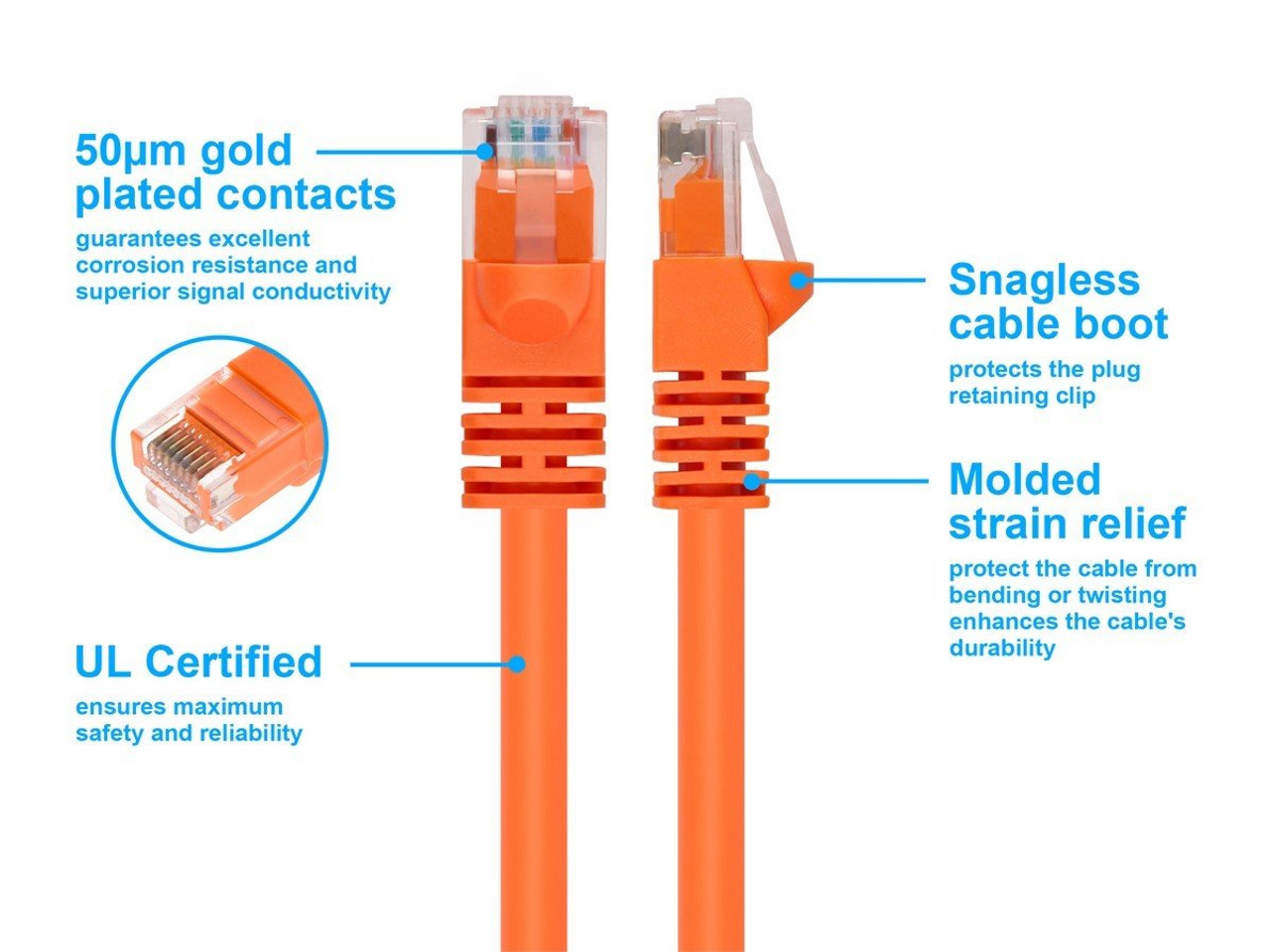
But with so many options available, where should you turn? dlaycable will walk you through the pros and cons of different purchasing options and highlight what to look for to ensure you’re getting the best quality and value for your project.
First, Do You Need Patch or Bulk Cable?
Before you start shopping, it’s crucial to know which type of cable your project requires.
- Patch Cables: These are pre-cut cables with connectors (RJ45 plugs) already installed on both ends. They are perfect for “patching” a device into a network port, such as connecting your computer to a wall jack, or a server to a switch. They offer pure plug-and-play convenience.
- Bulk Cable: This is a long length of cable, typically sold in boxes of 500ft or 1000ft, without connectors. It’s the ideal choice for custom-length installations, wiring the infrastructure of a home or building, and for professionals who need to create multiple cables of varying lengths. It is more cost-effective for large-scale jobs but requires the tools and know-how to terminate the ends yourself.
Exploring Your Buying Options: Where to Get Your Cables
You have several options for purchasing Ethernet cables, each with distinct advantages and disadvantages.
Large Online Marketplaces (e.g., Amazon)
Pros: Convenience, fast shipping for Prime members, vast number of user reviews.
Cons: This is the wild west of cable quality. These platforms are flooded with third-party sellers offering products of wildly varying quality. There’s a significant risk of receiving counterfeit cables or, more commonly, cheap Copper Clad Aluminum (CCA) cables falsely advertised as pure copper. Sifting through sellers to find a reputable one is a major gamble.
Big-Box Hardware Stores (e.g., Home Depot, Lowe’s)
Pros: Immediate availability. If you’re in a pinch and need a single cable right now, this is a viable option.
Cons: Extremely limited selection and high prices. You’ll typically only find a few standard lengths of Cat5e or Cat6 patch cables and maybe one or two options for bulk cable. The pricing is retail-level, making it unsuitable for anything beyond an emergency fix.
Specialized Online Suppliers & Direct from the Source
Pros: This is where the professionals shop. Companies that specialize in cabling, like us at DlayCable, offer the best of all worlds: superior quality, vast selection, and expert-backed support.
Cons: May require planning for shipping times, though reputable suppliers offer fast fulfillment.
By purchasing directly from a specialist, you bypass the quality gamble of marketplaces and the high prices of retail stores. You get access to a full inventory of cable types (Cat6, Cat6a, Cat8), shielding options (UTP, STP), jacket ratings (Plenum, Riser), and a huge variety of colors and lengths. Most importantly, you can trust the product specifications because the company’s reputation depends on it.
The Non-Negotiables: 4 Key Factors for Quality Cable
No matter where you choose to buy, never compromise on these critical quality indicators.
- 100% Solid Bare Copper Conductors: This is the most important factor. Always avoid Copper Clad Aluminum (CCA) cables. CCA is brittle, breaks easily, and has higher resistance, which leads to signal loss, slower speeds, and excess heat, especially with Power over Ethernet (PoE). At DlayCable, we only sell 100% solid bare copper cables to guarantee performance and safety.
- Industry Certifications (UL, ETL): Look for certifications like UL (Underwriters Laboratories) or ETL (Intertek). These marks mean the cable has been independently tested to meet strict safety and performance standards set by the TIA/EIA.
- The Right Category for Your Needs: Don’t overpay, but don’t under-spec.
- Cat6: The standard for modern homes and offices, supporting up to 10 Gbps over shorter distances (~37-55 meters).
- Cat6a (Augmented): The preferred choice for future-proofing, supporting 10 Gbps up to the full 100-meter distance.
- Cat8: For high-bandwidth, short-run applications in data centers, supporting 25/40 Gbps.
- Proper Jacket Rating: For bulk cable running inside walls or ceilings, safety is paramount.
- Plenum (CMP): Required for “plenum” air spaces (like drop ceilings or raised floors). It has the highest fire resistance and low smoke production.
- Riser (CMR): Designed for running between floors in non-plenum vertical shafts.
The DlayCable Advantage: Your Direct Source for Quality Networking
When you need to trust every connection, going direct to a specialist is the only answer. At DlayCable, we’ve built our business on being the reliable, expert source for IT professionals and discerning homeowners alike.
- Unwavering Commitment to Quality: Our cables are crafted with 100% pure bare copper and meet or exceed TIA/EIA standards. We provide fully certified products so you can install with confidence.
- Extensive In-Stock Selection: From patch cables in every color and length to 1000ft spools of Plenum Cat6a, our inventory is built to meet the demands of any project, large or small. If you need it, we have it.
- Competitive, Direct-from-Source Pricing: We’ve optimized our supply chain to eliminate the middlemen. This means you get premium, professional-grade cables at prices that large marketplaces and retail stores simply can’t match.
- Expert Support and Fast Shipping: Our team lives and breathes networking. We can help you select the right product for your needs, and our streamlined fulfillment process ensures you get your order quickly.
Don’t leave your network’s performance to chance. For a foundation built on speed, reliability, and safety, make the professional’s choice.
Frequently Asked Questions (FAQ)
Is it cheaper to make my own Ethernet cables from bulk cable?
For large projects requiring many custom-length cables, yes, it is significantly cheaper. For one or two short cables, the cost of the tools (crimper, tester) may outweigh the savings. However, the ability to create perfect-length cables results in a much cleaner and more professional installation.
What is the biggest mistake people make when buying cables online?
The single biggest mistake is buying cheap, unverified cables from anonymous marketplace sellers. These are often CCA cables that fail to meet performance specifications, aren’t compliant with safety codes, and can cause persistent network problems that are difficult to diagnose.
Can I use a Cat6a cable for my Cat6 or Cat5e network?
Absolutely. Ethernet standards are backward-compatible. Plugging a higher-category cable like Cat6a into a network with Cat6 or Cat5e components will work perfectly; the connection will simply run at the speed of the lowest-rated component in the chain.
Ready to build a better network? Explore our complete selection of high-performance bulk and patch Ethernet cables at DlayCable.com today!