


What Exactly is a Cat6 Ethernet Cable?
Before diving into the benefits, it’s essential to understand what a Cat6 cable is. “Cat” is short for “Category,” and the number that follows represents the generation and its capabilities. A Cat6 (Category 6) cable is a standardized twisted pair cable for Ethernet that is backward compatible with previous standards like Cat5 and Cat5e. It is defined by the Telecommunications Industry Association (TIA) and is built with more stringent specifications to handle higher speeds and reduce signal noise.
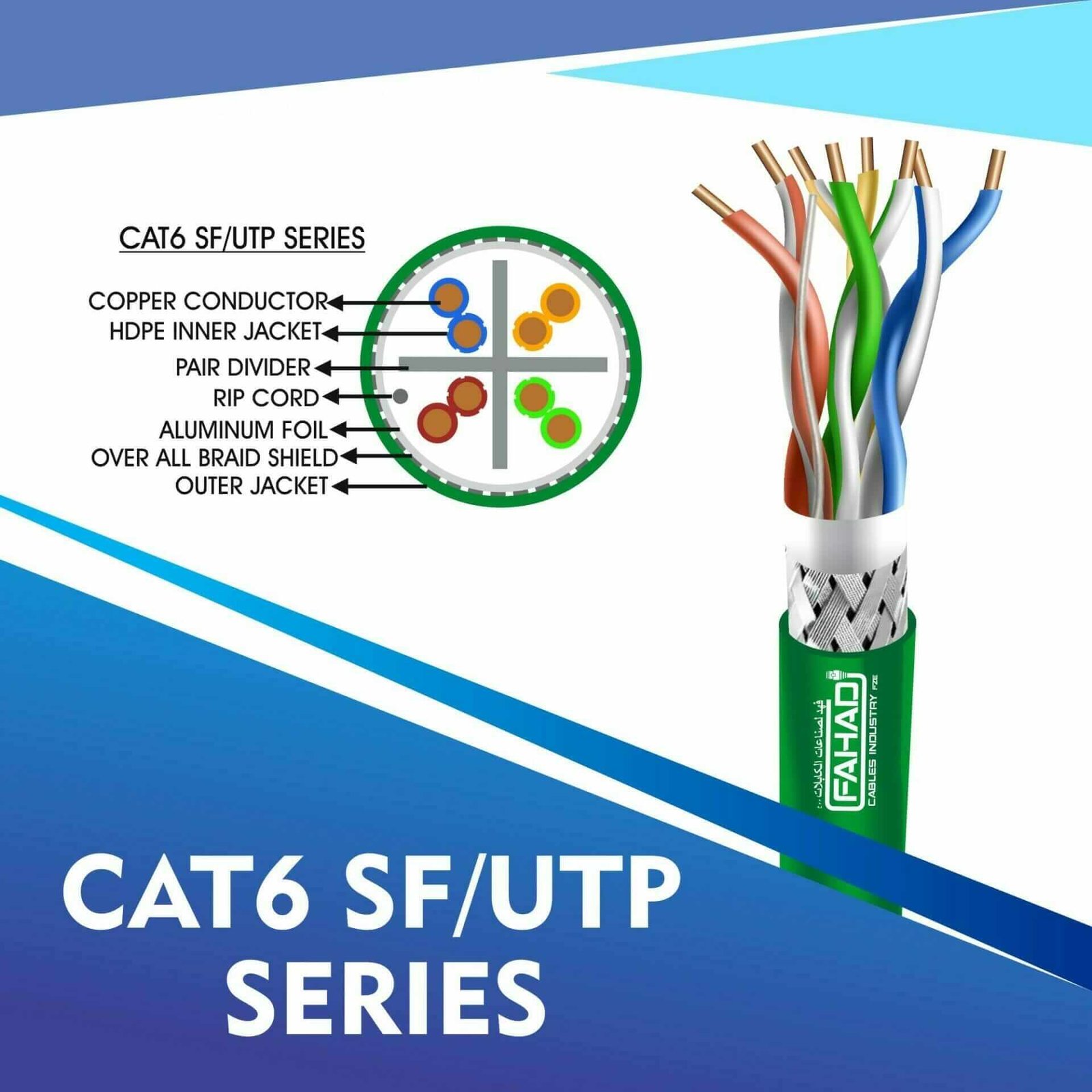
Internally, a Cat6 cable consists of four tightly twisted pairs of copper wires. What often sets it apart physically from older cables is the inclusion of a plastic spine, known as a *spline*, that runs down the center of the cable. This spline isolates each of the four twisted pairs, drastically reducing a type of signal interference called crosstalk. This superior construction is the key to its enhanced performance and reliability over long distances compared to its predecessors.
The Core Advantages: Why Upgrade to Cat6?
Choosing Cat6 isn’t just about picking a newer cable; it’s about investing in a more robust and capable network infrastructure. The benefits are tangible and directly impact your daily internet experience.
Superior Speed and Performance: Beyond the Gigabit Barrier
The most significant advantage of Cat6 is its raw speed. While Cat5e cables cap out at 1 Gbps, Cat6 cables can handle speeds of up to 10 Gbps over shorter distances (up to 55 meters or 180 feet). For standard distances up to 100 meters (328 feet), it reliably delivers 1 Gbps speeds. For the average home or office user, this means your local network won’t be the bottleneck. Whether you’re downloading massive game files, transferring large video projects between computers, or backing up your data to a network-attached storage (NAS) device, Cat6 ensures the task is completed in a fraction of the time.
Increased Bandwidth: The End of Network Congestion
Think of bandwidth as the number of lanes on a highway. A Cat5e cable has a bandwidth of 100 MHz, while a Cat6 cable doubles that to 250 MHz. This wider “highway” allows more data to travel simultaneously without causing congestion. This is crucial in today’s connected world, where a single network might be supporting multiple 4K streams on different TVs, a competitive gamer demanding low latency, video calls for remote work, and dozens of smart home devices all at once. With Cat6, each device gets the bandwidth it needs, leading to a smoother, buffer-free experience for everyone.
Reduced Crosstalk and Interference: A Cleaner Signal
A stable connection is just as important as a fast one. Thanks to its stricter manufacturing standards, tighter wire twists, and the aforementioned internal spline, Cat6 is exceptionally good at minimizing both Near-End Crosstalk (NEXT) and Alien Crosstalk (AXT). Crosstalk is the unwanted “bleeding” of signals between adjacent wires, which can corrupt data packets and force them to be re-sent, slowing down your entire network. By providing a cleaner, more reliable signal, Cat6 ensures data integrity, reduces errors, and delivers a consistently stable connection—a must-have for video conferencing and online gaming where every millisecond counts.
Future-Proofing Your Network for Tomorrow’s Demands
Installing Ethernet cables, especially within walls, can be a significant undertaking. By choosing Cat6 today, you are effectively future-proofing your network. Internet service providers are continuously rolling out faster multi-gig internet plans. As technologies like 8K streaming, virtual reality, and cloud-based gaming become mainstream, the demand for higher bandwidth and speed will only increase. A network built on Cat5e will quickly become a limiting factor, whereas a Cat6 infrastructure is already prepared to handle these next-generation demands, saving you the cost and hassle of a future upgrade.
How Does Cat6 Compare to Other Ethernet Cables? A Head-to-Head Analysis
To truly appreciate the value of Cat6, it’s helpful to see how it stacks up against the other common cable types you might encounter.
Cat6 vs. Cat5e: The Most Common Upgrade Dilemma
For years, Cat5e was the go-to standard for home networking. While it is still functional for basic internet plans (under 1 Gbps), Cat6 is the clear winner for any new installation or performance-oriented setup. The price difference between the two has become negligible, making the performance boost from Cat6 an incredible value.
| Feature | Cat5e | Cat6 |
|---|---|---|
| Max Speed | 1 Gbps | 10 Gbps (up to 55m) / 1 Gbps (up to 100m) |
| Bandwidth | 100 MHz | 250 MHz |
| Crosstalk Reduction | Basic | Enhanced (often with an internal spline) |
| Best For | Basic internet browsing, older networks | Gaming, 4K/8K streaming, modern homes, small offices |
Looking Ahead: Cat6 vs. Cat6a, Cat7, and Cat8
While Cat6 is the current sweet spot, newer standards exist for more demanding environments.
- Cat6a (Augmented): This is an enhancement of Cat6, supporting 10 Gbps speeds over the full 100-meter distance and boasting a 500 MHz bandwidth. It’s an excellent choice for enterprise networks and data centers but is often overkill for home use.
- Cat7/Cat8: These cables offer even higher speeds (40 Gbps for Cat8) and bandwidth but are designed almost exclusively for high-end data centers and professional environments. They require specialized connectors and are significantly more expensive and rigid, making them impractical for residential use.
For the vast majority of users, Cat6 offers the perfect balance of performance, affordability, and future-readiness.
Practical Applications: Who Needs a Cat6 Cable?
The benefits of Cat6 translate directly into a better experience for a wide range of users:
- The Home User & Streamer: If your family streams 4K or 8K content on multiple devices, a Cat6 cable from your router to your streaming device (TV, Apple TV, etc.) will eliminate buffering and ensure the highest possible picture quality.
- The Online Gamer: For gamers, a stable, low-latency connection is non-negotiable. A wired Cat6 connection provides a much more reliable signal than Wi-Fi, reducing lag and packet loss for a competitive edge.
- The Remote Worker: Anyone relying on a stable connection for video calls, VPN access, and large file transfers will see a significant improvement in reliability and speed with Cat6.
- The Small Business Owner: For businesses that rely on VoIP phone systems, cloud-based applications, and frequent data sharing, a Cat6 network infrastructure provides the robust backbone needed for smooth operations.
How to Identify and Choose the Right Cat6 Cable
Choosing a Cat6 cable is simple once you know what to look for. The category of the cable is always printed directly on the outer plastic jacket. You will see text that clearly says “Category 6” or “CAT.6”. Additionally, Cat6 cables are often slightly thicker and less flexible than Cat5e cables due to the thicker copper wires and the presence of the internal spline.
When purchasing, consider whether you need a UTP (Unshielded Twisted Pair) or STP (Shielded Twisted Pair) cable. For most home and office environments, UTP is perfectly sufficient. However, if you are running cables near high-power electrical lines or other sources of significant electromagnetic interference (EMI), an STP cable provides an extra layer of foil or braid shielding to protect the signal.
Frequently Asked Questions (FAQ) about Cat6 Cables
Here are answers to some of the most common questions about upgrading to Cat6.
Is Cat6 worth the extra cost over Cat5e?
Absolutely. The cost difference between Cat5e and Cat6 cables is now minimal, often just a few dollars. Given the massive leap in performance, reliability, and future-proofing, the small additional investment in Cat6 is one of the most cost-effective upgrades you can make to your network.
Can I plug a Cat5e cable into a Cat6 network?
Yes, you can. Ethernet standards are backward compatible. You can connect a device using a Cat5e patch cable to a network wired with Cat6. However, keep in mind that the connection will be limited to the capabilities of the weakest link—in this case, the Cat5e cable’s 1 Gbps speed and 100 MHz bandwidth.
Will a Cat6 cable make my internet faster?
This is a crucial point of clarification. A Cat6 cable will not increase the speed of the internet plan you purchase from your Internet Service Provider (ISP). If you pay for a 500 Mbps plan, you will not get speeds faster than 500 Mbps. However, a Cat6 cable ensures that you can achieve the maximum speed your plan offers within your local network. It removes the bottleneck between your router and your devices, allowing them to communicate at their full potential.
The Final Verdict: Why Cat6 is the Smart Choice for Your Network
In the landscape of Ethernet cables, Cat6 has firmly established itself as the gold standard for a reason. It bridges the gap between the outdated capabilities of Cat5e and the expensive, enterprise-focused nature of Cat7 and Cat8. By offering a potent combination of high speed, ample bandwidth, superior signal integrity, and backward compatibility, it provides everything a modern home or small business network needs to thrive.
Upgrading to Cat6 is a simple, affordable, and impactful way to ensure your network is fast, stable, and ready for the future. Whether you are building a new network or looking to eliminate bottlenecks in your current setup, choosing a Cat6 Ethernet cable is a decision that will pay dividends in performance and reliability for years to come.