


As a leading manufacturer of high-quality cable assemblies, we at DLAY CABLE often field questions about network infrastructure. One of the most common queries we encounter is: “Can I use a Cat6 cable with my existing Cat5 setup?” It’s a great question that touches on compatibility, performance, and future-proofing your network.
The short answer is yes, a Cat6 cable will work with a Cat5 or Cat5e network. However, the “but” that follows is crucial for understanding the performance you’ll actually get. dlaycable will walk you through the technical details, practical implications, and best practices from an industry expert’s perspective.
In This Article:
- The Core Principle: Backwards Compatibility and the “Bottleneck” Effect
- Understanding the Key Players: Cat5 vs. Cat5e vs. Cat6
- How Mixing Cables Actually Impacts Your Network Speed
- Practical Scenarios: When is Mixing Cables Acceptable?
- The Professional Recommendation: Why a Consistent Standard Matters
- Conclusion: Building a Reliable Network for Today and Tomorrow
The Core Principle: Backwards Compatibility and the “Bottleneck” Effect
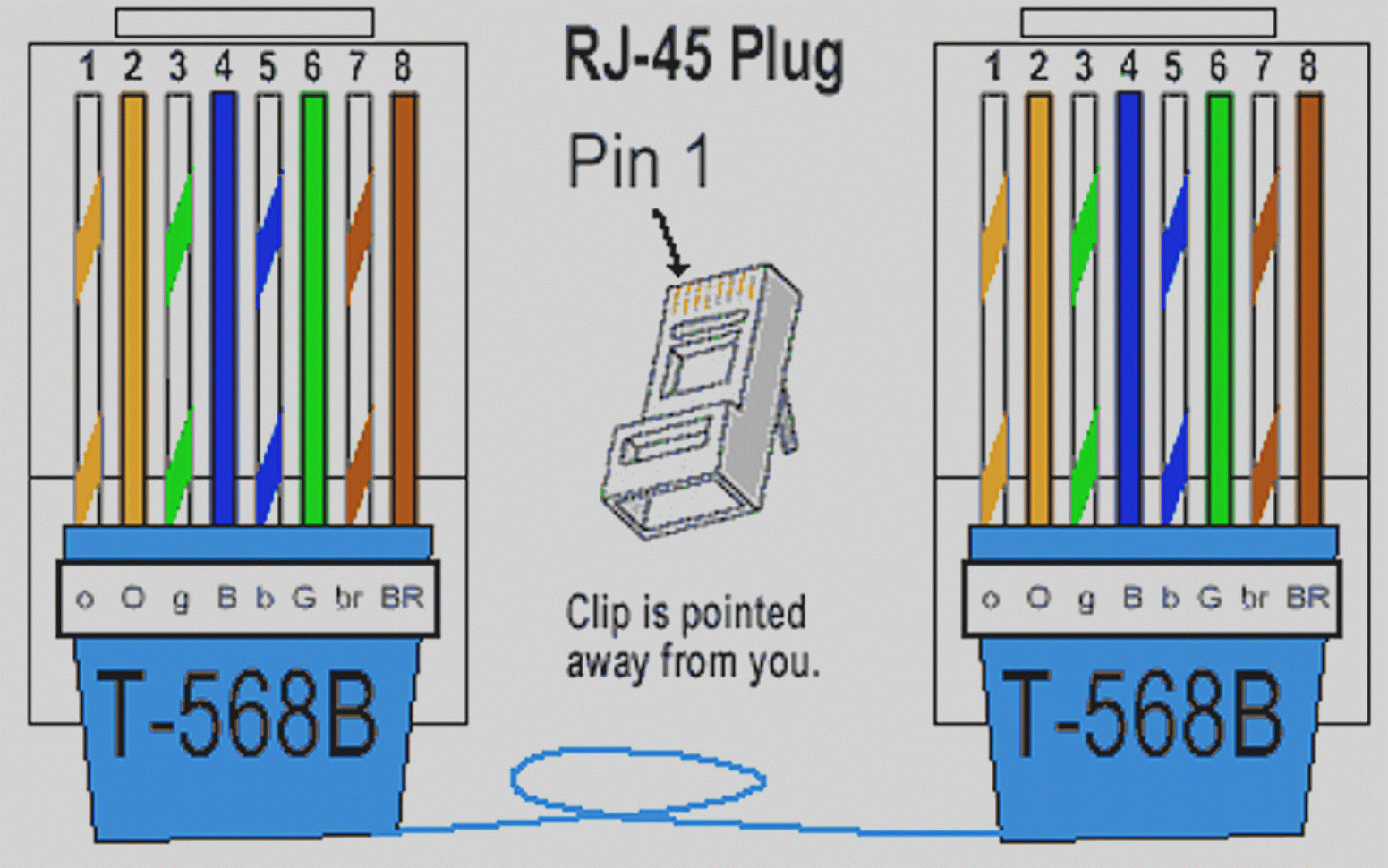
Ethernet cable standards, like Category 5 (Cat5) and Category 6 (Cat6), are designed to be backwards compatible. This means you can plug a newer, higher-specification cable (like Cat6) into a device or network jack designed for an older standard (like Cat5e), and it will establish a connection. The physical RJ45 connector is the same across these categories.
However, a network is only as fast as its weakest link. This is the “bottleneck” effect. If you connect a high-performance Cat6 cable into a system that otherwise uses Cat5e cables, jacks, and switches, your entire connection will be limited to Cat5e performance levels. You won’t magically get Cat6 speeds just by using one Cat6 cable.
Think of it like connecting a massive fire hose (Cat6) to a standard garden spigot (Cat5e). You’ll only get as much water as the spigot can provide, regardless of the hose’s potential.
Understanding the Key Players: Cat5 vs. Cat5e vs. Cat6
To understand the impact of mixing cables, it’s essential to know the capabilities of each type. At DLAY CABLE, we manufacture to precise specifications because these differences matter.
- Category 5 (Cat5): This is an older, largely obsolete standard. It supports speeds up to 100 Mbps at a 100 MHz frequency. It’s rare to find Cat5 in new installations, and it’s not suitable for modern gigabit internet speeds.
- Category 5e (Cat5e): The “e” stands for “enhanced.” Cat5e is a significant improvement, designed to reduce crosstalk (interference between wires). It supports speeds up to 1 Gigabit per second (Gbps) at 100 MHz, making it the minimum standard for most modern home and office networks. When people ask about “Cat5,” they are usually referring to Cat5e.
- Category 6 (Cat6): This cable features more tightly twisted wires and often includes a plastic spline down the middle to further separate the pairs, drastically reducing crosstalk. This superior construction allows it to support speeds of 1 Gbps over longer distances (up to 100 meters) and even 10 Gbps over shorter distances (up to 55 meters), all at a higher frequency of 250 MHz.
How Mixing Cables Actually Impacts Your Network Speed
Let’s look at some real-world examples. Remember, your network path includes the cable from your device, the wall jack, the cable inside the wall, the patch panel, and the switch or router.
| Your Cable | Rest of Network Components | Resulting Performance (Bottleneck) |
|---|---|---|
| Cat6 Patch Cable | Cat5e Wall Jacks, Cabling & Switch | Cat5e Performance (~1 Gbps, 100 MHz) |
| Cat6 Patch Cable | Cat6 Wall Jacks & Switch, but Cat5e in-wall wiring | Cat5e Performance (~1 Gbps, 100 MHz) |
| Cat5e Patch Cable | Full Cat6 Infrastructure | Cat5e Performance (~1 Gbps, 100 MHz) |
| Cat6 Patch Cable | Full Cat6 Infrastructure | Cat6 Performance (Up to 10 Gbps, 250 MHz) |
As you can see, to achieve true Cat6 performance, every single component in the data channel must be rated for Cat6. Using even one Cat5e component downgrades the entire link.
Practical Scenarios: When is Mixing Cables Acceptable?
While a consistent standard is always best, there are times when using a Cat6 cable in a Cat5e network is perfectly fine:
- Replacing a Damaged Cable: If you need to replace a single patch cord in a Cat5e network and only have a Cat6 cable on hand, go ahead and use it. It will work perfectly at Cat5e speeds.
- Future-Proofing on a Budget: If you are buying new patch cables today for your existing Cat5e network, choosing Cat6 is a smart move. You’ll be limited to Cat5e speeds for now, but you’ll already have the right cables when you eventually upgrade your router, switch, or wall jacks.
- Standard Home Use: For most homes with internet plans of 1 Gbps or less, a Cat5e system is sufficient. Using a Cat6 cable won’t hurt, but you’re unlikely to notice a performance difference for activities like streaming, browsing, and online gaming.
The Professional Recommendation: Why a Consistent Standard Matters
As a manufacturer committed to quality and reliability, we at DLAY CABLE always advocate for building a network with a consistent, high-quality standard. Here’s why a uniform Cat6 (or higher) infrastructure is the professional choice:
1. Guaranteed Performance and Reliability
By ensuring every component—from the patch panel to the wall plate to the final patch cord—is Cat6 certified, you eliminate performance bottlenecks. This guarantees you are getting the full speed and bandwidth you invested in, which is critical for data-intensive business operations, streaming high-resolution media, or transferring large files.
2. Future-Proofing Your Investment
Internet speeds are constantly increasing. A network that is “good enough” today might be a frustrating bottleneck tomorrow. Installing a full Cat6 or Cat6a infrastructure is a wise investment that prepares your home or office for multi-gigabit speeds and the demands of future technologies, ensuring a longer return on your investment.
3. Reduced Troubleshooting and Downtime
Mixed-standard networks can sometimes create hard-to-diagnose connectivity issues. A uniform system built with high-quality, certified components (like those we specialize in at DLAY CABLE) is inherently more stable and reliable, saving you the time and frustration of troubleshooting mysterious slowdowns or connection drops.
Conclusion: Building a Reliable Network for Today and Tomorrow
So, will a Cat6 cable work with Cat5? Yes, it will connect and function, but it will be limited by the performance of the Cat5 components.
For temporary replacements or basic home use, mixing is acceptable. However, for any new installation or significant upgrade, the professional standard is clear: maintain a consistent category for all components. By investing in a uniform Cat6 or higher infrastructure, you are not just buying cables; you are building a robust, reliable, and future-ready foundation for your digital life.
At DLAY CABLE, we pride ourselves on providing not just products, but solutions. Whether you need standard high-performance network cables or a custom-designed wire harness for a complex project, our expertise ensures you get the quality and performance your system deserves. For your next project, insist on certified components that won’t let you down.